

 2024年07月16日 13:05 發布
編輯:Editor

北京學術會議之二
吳宇琛
SUM WU
Sum Wu
Registered Chinese Medicine Practitioner
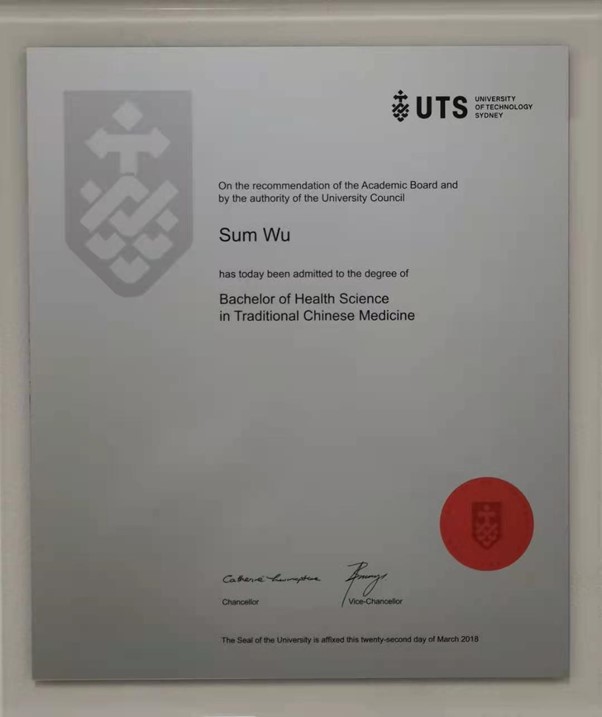
Bachelor of Health Science in Traditional Chinese Medicine (UTS)
Bachelor of Science Majoring in Psychology (UOW)
Specialising in pain management and mental wellbeing through Tradition Chinese medicine in combination with modern science in mental health, dieting and nutrition.
吳宇琛,澳洲政府註冊中醫師、針灸師,五龍崗大學心理學學士、悉尼科技大學中醫系學士,擅長用傳統針灸理傷手法和中藥治療各種新舊損傷痛症,特別採用中醫中藥和現代心理學、營養學相結合調理治療各種慢性病和亞健康。

Beijing Conference Part 2
北京學術會議之二
Following up from last episode where I talked about attending a TCM conference in Beijing I would also like to talk about my personal experience with falling ill while overseas and also give us a chance to review some of the old topics I covered in the past.
繼上一期我談到在北京參加中醫會議之後,我也想談談我在海外生病的個人經歷,也讓我們有機會回顧一下我過去講過的一些老話題。
I left for China on the 22nd of May and had a stopover in Guangzhou for a few days. For those who haven’t been to Guangzhou during the summer seasons, it is extremely hot and very humid and in our case was raining almost non-stop. Temperatures reached up to 38-39 degrees Celsius but most shockingly was the almost constant above 90% humidity and at one time I recall it going up as far as 97%. One of the biggest reasons I have not travelled back to Guangzhou during the summer seasons for almost 20 years is due to the extreme heat. Luckily this time there was no heatwaves but there were typhoons and just the week leading up to my trip, there was an unprecedented tornado.
我於5月22日啟程前往中國,並在廣州停留幾天。對於那些沒有在夏季去過廣州的人來說,廣州非常炎熱、潮濕,而且我們在廣州那幾天幾乎一直在下雨。溫度高達38-39攝氏度,但最令人震驚的是濕度幾乎恒定在90%以上,我記得有一次濕度高達97%。我已經近20年沒有在夏季回過廣州的最大原因之一就是酷熱。幸運的是,這次沒有熱浪,但有颱風,就在我旅行的前一周,出現了前所未有的龍捲風。
Other than the poor weather my family and I still took the opportunity enjoy the city and its food. Guangzhou is famous for its lychees and the abundance of fresh fruits and we had a lot of durian and lychee during the 2 days stopover. Unfortunately this meant that I eventually started to develop a bit of a sore throat as one does when eating too many of these tropical fruits which have a lot of Damp and Heat. Naturally precautions were taken to try to resolve the sore throat before it got worse in time for the conference. Following that I flew up to Beijing to attend a 2 day conference which was a fairly intensive event from morning to night and with not much chance to rest since the beginning of my trip. After that was over, I spent the next 5 days in Beijing visiting my wife’s family. During this time I noticed that my sore throat was back and actually a bit more red and sore and started to cough. Based on the symptoms it appears there was a throat infection from excess Heat. Fortunately there is always a TCM clinic nearby and I prescribed myself with the usual Heat clearing herbal formula to take care of the issue at hand.
除了惡劣的天氣之外,我和我的家人仍然抓住機會享受這座城市和它的美食。廣州以荔枝和豐富的新鮮水果而聞名,我們在那兩天的停留期間吃了很多榴槤和荔枝。不幸的是,這意味著我最終開始出現一點喉嚨痛,就像吃了太多這些濕熱的熱帶水果時一樣。當然,我們採取了預防措施,試圖在會議召開之前解决喉嚨痛,以免病情變嚴重。隨後我飛往北京參加一個為期兩天的會議,這是一個從早到晚的相當密集的活動,自從我的旅行開始以來就沒有太多休息的機會。會議結束後,我在北京度過了接下來的五天,拜訪了我妻子的家人。在這段時間裏,我注意到我的喉嚨又痛了,而且實際上比我預想的更紅更痛,並開始咳嗽。根據症狀,似乎是由於熱氣引起的喉嚨感染。幸運的是,附近有一家中藥房,我給自己開了常用的清熱草藥配方來解决現時的問題
Having herbs prepared in China was quite an interesting experience compared to in Australia. Once I gave the herbalist the prescription, they also asked if we wanted them to cook it for me. Now in Australia while not unheard of, it is not too common for the clinic to cook the herbs for you and the preference is to take the herbs back home and cooking yourself. At my own clinic we encourage the patients to cook it themselves as there are some benefits in doing so. In a lot of respiratory related cases we always tell the patient to try to stay near the cooking so they can breathe in some of the vapours coming from the decoction which can help ease some of the symptoms such as blocked nose and coughs even before it is ready to drink. Now the downside is that cooking the herbs for patients is a costly and timely matter and sometimes a lot of clinics do not have the necessary space and staff to cook herbs nor do they have the facilities and licences required to do any cooking or brewing on premises for customers.
與在澳大利亞相比,在中國配中藥是一次非常有趣的經歷。當我給配藥師藥方後,他們還問我們是否需要代煎藥。現在在澳大利亞,雖然不是完全沒有,但診所為病人煎藥的服務並不常見,人們更喜歡將草藥帶回家自己煎。在我自己的診所,我們鼓勵患者自己煮中藥,因為這樣做有一些好處。在許多與呼吸相關的病例中,我們總是告訴患者儘量呆在正在熬煮的中藥鍋附近,這樣他們就可以吸入湯劑中產生的一些蒸氣,這可以幫助緩解一些症狀,例如鼻塞和咳嗽,甚至在中藥煮好之前就可以緩解一些。 現在的缺點是,為患者烹飪中藥是一件昂貴且需要花費時間的事情,有時很多診所沒有必要的空間和人員來熬煮中藥,也沒有在現場進行任何為客戶熬中藥所需的設施和許可證。
So at the clinic that was preparing my herbs, they charged an extra 3RMB per packet of herbs to cook and vacuum seal each dose separate which was very convenient as I could just keep everything in the fridge and just pour out each dose and reheat.
因此,在這個為我代煎藥的中藥房,他們每包中藥額外收取3元人民幣來煎藥和真空密封成一次的劑量,這非常方便,因為我可以將所有的藥放在冰柜中,然後將每個劑量倒出並重新加熱。
Initially it seems like my sore throat was starting to get better but then it got a bit worse. There was a few factors which contributed to this stubborn sore throat and the main reason which took me a few days to realise was how dry the air was in Beijing compared to Guangzhou and Sydney. The temperature was fairly comfortable even during the summer as it never got higher than 25-27 degrees Celsius during the 5 days I was there but the constant dry air was further damaging my respiratory system and irritating my throat more each day. On the last few days I was in Beijing, I started to produce a lot more yellow phlegm which was very difficult to expectorate. It was very likely that my body was not use to such a dry environment coupled with poor rest from back to back flights my body’s immunity just could not handle the illness as well as it should.
起初,我的喉嚨痛似乎開始好轉,但後來又變得更糟了。有幾個因素導致了這種頑固的喉嚨痛,我花了幾天時間才意識到的主要原因是,與廣州和悉尼相比,北京的空氣非常乾燥。即使在初夏,溫度也相當舒適,我在那裡的5天裏,溫度從未高於25-27攝氏度,但持續乾燥的空氣進一步損害了我的呼吸系統,並且一天比一天更刺激我的喉嚨。在北京的這幾天,我的黃痰開始增多,很難咳出來。很可能是我的身體不適應這麼乾燥的環境,再加上連續飛行休息不好,身體的免疫力無法很好地應對這種疾病。
During this time I kept up taking the herbs which definitely helped keep the coughing under control and eventually the sore throat started to get much better and by the 29th of June we had to fly back to Guangzhou for a few more days before flying back to Sydney. We made sure to get tested for Covid19 and RSV before boarding our flight and all safety precautions was taken such as keep our masks on during the flight since it was a very enclosed space with lots of people. Upon landing in Guangzhou it was as if a switch was flipped and my lungs and throat felt remarkably relaxed and the sore throat was almost completely gone. It was still a bit inflamed but the pain was no longer there. While I can attribute the improvement to the daily regimen of herbs I was drinking in Beijing, I believe the sudden improvement had to do with the change in climate as well. Now that I was back in a more humid and wet city, the air I was breathing was also more moisture and soothing to my lungs. The improvement was so drastic that my wife even asked if I was just feigning my illness in Beijing.
在此期間,我不斷服用中藥,這確實有助於控制咳嗽,最終喉嚨痛開始好轉,到6月29日,我們不得不飛回廣州多幾天,然後再飛回悉尼。我們確保在登機前接受Covid19和RSV檢測,並採取了所有安全預防措施,例如在飛行期間戴上口罩,因為這是一個非常封閉的空間,有很多人。抵達廣州後,我感覺就像打開了開關,肺部和喉嚨感覺非常輕鬆,喉嚨痛幾乎完全消失了。雖然還是有點發炎,但是已經不痛了。 雖然我可以將這種改善歸因於我在北京每天飲用的草藥,但我相信這種突然的改善也與氣候的變化有關。現在我回到了一個更加濕潤的都市,我呼吸的空氣也更加濕潤,對我的肺部來說也更加舒緩。改變如此之大,我的妻子甚至問我是不是在北京裝病。
This brings us back to a topic we covered in the past which is the 3 aetiologies in TCM diagnosis which is time, location and individual related.
這又回到了我們之前討論的一個話題,那就是中醫診斷的三因論,即與時間、地點和個體相關的。
Let’s start off with Climate and Time. As there are four seasons in a year they are also split between warm, hot, cool and cold just like the properties of food and herbal medicine and as such we must also adjust accordingly to the seasons when providing medicinal treatment and foods as well. Naturally we all tend to eat more cold foods when it’s hot and warmer foods in the winter season.
讓我們從氣候和時間開始,一年有四個季節,就像食物和草藥的性質一樣,也有溫、熱、凉、寒之分,因此我們在用藥和食物方面也必須根據季節進行調整。當然,在溫暖的季節我們會傾向於吃寒凉的食物,而在冬季,我們會傾向於吃更多溫熱的食物。
During the summer months the temperature will be hot and here we will generally see an increase in heat related illness and of course this will be treated with coldness. Foods that can clear heat, nourish the Yin and promote moisture like watermelon and mung beans are essential during this period. It is recommended to reduce bitter foods and add a bit more spicy food to benefit the lung. Towards the tail end of summer we also see a lot of damp conditions so it is also important to eat more foods that invigorate the spleen and eliminate dampness such as Fu Ling or Winter Melon (this particular food is a perfect example of correct food therapy as it is cool in nature, is sweet and helps eliminate dampness).
在夏季,氣溫會很熱,我們通常會看到與熱有關的疾病新增,當然可以用寒性食物來治療。西瓜、綠豆等清熱、滋陰、利濕的食物在此期間必不可少。建議少吃苦味食物,適當新增一點辛辣食物,以利肺。夏末的時候,濕氣會比較重,多吃健脾祛濕的食物也很重要,比如茯苓、冬瓜(這種食物就是正確食療的最佳例子,性凉,味甘,祛濕)。
The next etiological factor is a bit more complicated and sometimes harder to adjust to. Locality-orientated refers to using foods based on the region where you are currently living in as the location can affect the temperature and climate as well. If someone ins from a cold and dry place then there is a prevalence of cold and dryness and you may find that they eat a lot more spicy and nourishing foods to fight the cold and nourish the lungs from dryness. People living in places that are hot and humid will benefit greatly foods that can cool and expel dampness like the Winter Melon previously mentioned. In Australia we are a bit lucky as the seasons are not too extreme and with an abundance of foods that grow all year there is less problems with finding the appropriate ingredients.
下一個病因因素相對比較複雜,有時比較難以調節。地域性是指根據當前居住的地區食用食物,因為位置也會影響溫度和氣候。如果一個人來自寒冷乾燥的地方,那麼寒燥盛行,你會發現他們會吃很多辛辣滋補的食物來禦寒、補肺。生活在炎熱潮濕的地方的人,吃一些像前面提到的冬瓜這樣清凉祛濕的食物大有裨益。在澳大利亞的我們是比較幸運的,因為季節不太極端,而且全年都有豐富的食物,因此找到合適食材的問題較少。
In additional to the location, the type of herbs and formula is also very important. For example the difference between wind cold and wind heat, which can have similar symptoms but the key differences determine the treatment principle. There is 2 major schools of thought in TCM which is Wen Bing theory and Shan Han theory. Wen Bing is the study of warm diseases while conversely Shan Han is the study of cold illnesses. Key differences is warm diseases are more common in the south where it hotter and illness present with yellow phlegm and fever etc. while cold related illness may have more loose bowels and clear frothy phlegm etc.
除了地點之外,藥材的種類和藥方也很重要。例如風寒和風熱的區別,它們可能有相似的症狀,但關鍵的區別决定了治療原則。中醫有兩大學派:溫病學說和傷寒學說。 溫病是溫病的研究,傷寒病是寒病的研究。主要區別是南方天氣較熱,溫病多見,表現為痰黃、發熱等,而寒病則可能腹瀉較多,痰清稀等。
The season and location also greatly affects one’s ability to stay health or fight off illness as sometimes sudden changes in environment or location can be quite shocking to the body and in my case it was the sudden change from being in autumn in Sydney and then sudden in a hot and humid place for a few days then being somewhere extremely dry. This wreaked havoc on my body and trying to treat myself in the usual manner was not as effective since even I forgot about all these intricate environmental and seasonal factors.
季節和地點也會極大地影響一個人保持健康或抵抗疾病的能力,因為有時環境或地點的突然變化可能會對身體造成相當大的衝擊,就我而言,這是短時間從悉尼的秋天突然到另外一個非常濕熱的地方,再突然到一個非常乾燥的地方。這對我的身體造成了嚴重破壞,嘗試以平常的管道治療自己並沒有那麼有效,因為即使我忘記了所有這些複雜的環境和季節因素。
如有疑問想咨詢吳宇琛中醫師,可以在微信或whatsapp搜索0404836368,加吳宇琛中醫師微信或whatsapp,也可以發短信或致電0404836368作語音留言,吳宇琛中醫師有空就會回復。


(吳宇琛中醫師,澳洲政府註冊中醫師、針灸師,五龍崗大學心理學學士、悉尼科技大學中醫系學士,悉尼好事圍松軒藥行主治中醫師,本文僅供參考,具體診療應諮詢專業人士。)



 FACEBOOK
 WECHAT

 INSTAGRAM