
 2023年12月05日 14:27 发布
编辑:Editor
2023年12月05日 14:27 发布
编辑:Editor
浅谈减肥
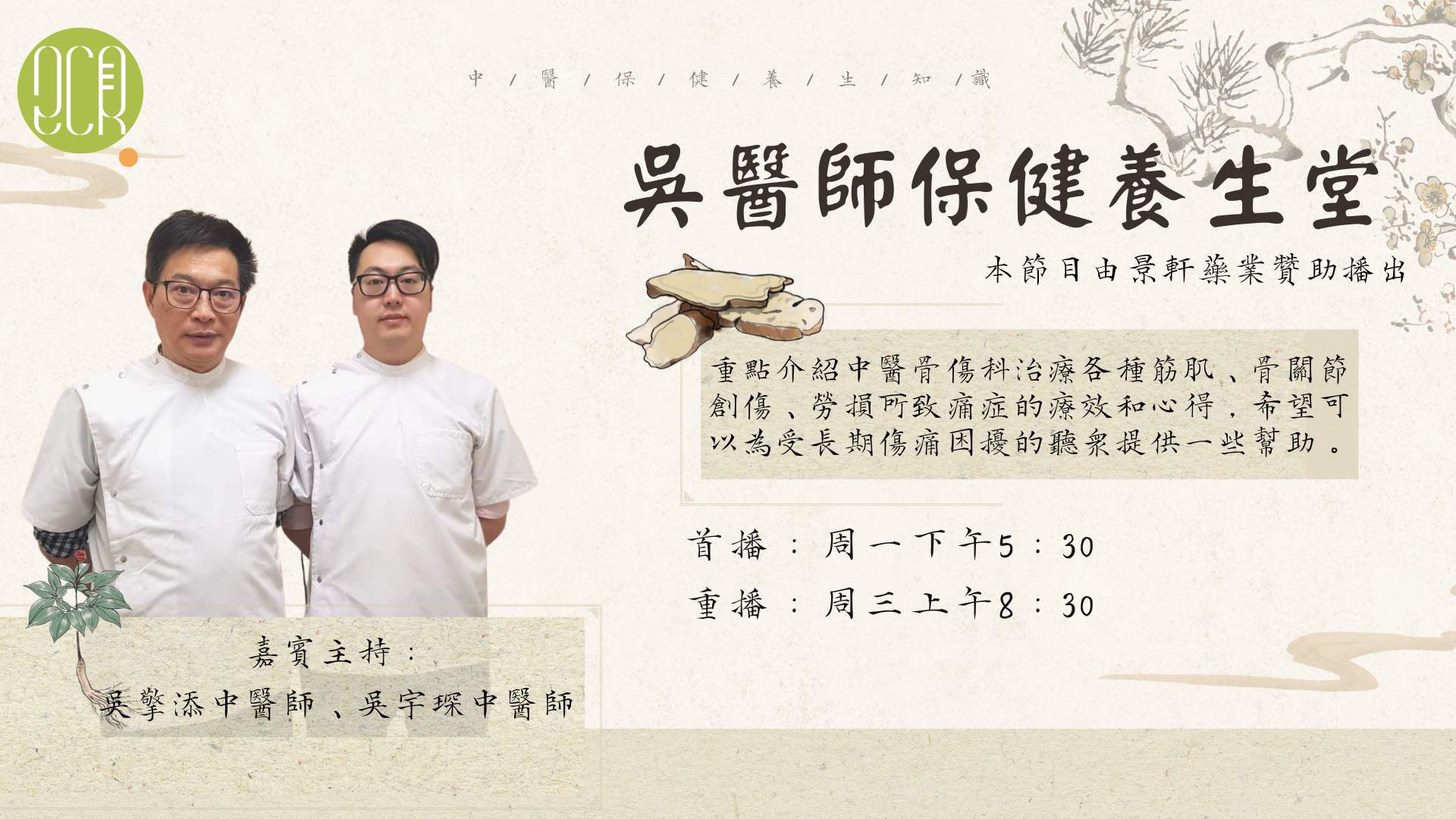
吴宇琛
SUM WU
Sum Wu
Registered Chinese Medicine Practitioner
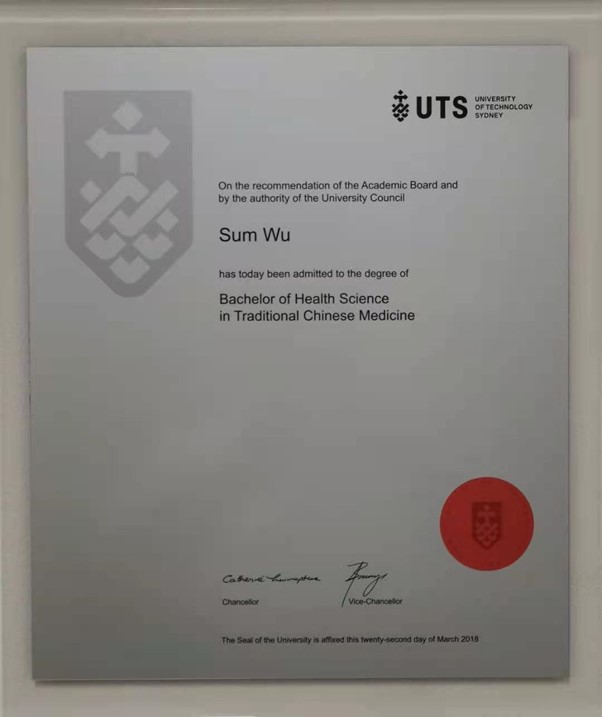
Bachelor of Health Science in Traditional Chinese Medicine (UTS)
Bachelor of Science Majoring in Psychology (UOW)
Specialising in pain management and mental wellbeing through Tradition Chinese medicine in combination with modern science in mental health, dieting and nutrition.
吴宇琛,澳洲政府注册中医师、针灸师,五龙岗大学心理学学士、悉尼科技大学中医系学士,擅长用传统针灸理伤手法和中药治疗各种新旧损伤痛症,特别采用中医中药和现代心理学、营养学相结合调理治疗各种慢性病和亚健康。

I think one of the most frequently asked questions for anyone in the medical and health field is “how do I lose weight?” and modern science and society is on a never ending quest to solve this prevalent problem.
While we are currently still on the topic of food therapy I thought it would be amiss for me not try to at least touch on this subject as it is a very fascinating topic. I would like to devote this article and the next on this topic as it is a very dense subject. In this article I would like to introduce the concept of obesity and how it is viewed in TCM and how different patterns determine methods of treatment. While the next article will focus on how to approach this matter with food therapy.
我认为现在医疗和健康领域中最常问的问题之一是「我如何减肥?」现代科学和社会正在永无止境地寻求解决这个普遍问题。
虽然我们目前仍在讨论食物疗法的主题,但我认为或多或少我也应该涉及一下这个领域,因为这是一个非常有趣的主题。我想将这一辑节目和下一辑节目专门讨论这个主题,因为这是一个非常有分量的主题。在这篇文章中,我想介绍一下肥胖的概念以及中医如何看待肥胖,以及不同的模式如何决定治疗方法,而下一篇文章将重点讨论如何通过食疗来解决这个问题。
According to the WHO “Overweight and obesity are defined as abnormal or excessive fat accumulation that presents a risk to health. A body mass index (BMI) over 25 is considered overweight, and over 30 is obese, BMI is calculated by weight (kg) divided by height squared (cm x 2). The issue has grown to epidemic proportions, with over 4 million people dying each year as a result of being overweight or obese in 2017 according to the Global Burden of Disease.
Rates of overweight and obesity continue to grow in adults and children. From 1975 to 2016, the prevalence of overweight or obese children and adolescents aged 5–19 years increased more than four-fold from 4% to 18% globally.”
根据世界卫生组织的说法:「超重和肥胖被定义为异常或过多的脂肪积累并对健康构成风险。体重指数 (BMI) 超过 25 被视为超重,超过 30 被视为肥胖,体重指数是体重除身高乘2。这一问题已发展成为全球流行病,根据全球疾病负担报告,2017 年每年有超过 400 万人因超重或肥胖而死亡。 成人和儿童的超重和肥胖率持续上升。从 1975 年到 2016 年,全球 5-19 岁儿童和青少年超重或肥胖的患病率增加了四倍多,从 4% 增加到 18%。」
There are many causes of overweight and obesity but the most common one are overconsumption of energy dense foods that are high in fat and sugars as well as a decrease in physical activity due to sedentary lifestyle which is promoted by modern conveniences such as ease of transport and fast foods. Other factors include medical causes such as hormonal imbalances as well as genetics and use of medication.
超重和肥胖的原因有很多,但最常见的一个是过度食用高脂肪和高糖的能量密集型食物,以及由于交通便利等现代便利设施所提倡的久坐生活方式而导致体力活动减少、快餐,其他因素包括荷尔蒙失衡等医学原因以及遗传和药物使用。
In Su Wen it states that “if obesity occurs in the nobleman and rich people, they must be over consuming heavy and greasy foods” and historically ancient China knew about the links of obesity with other metabolic disorders such as diabetes and stroke.
在中医典籍《素问》中指出:「肥贵人,则膏粱之疾也。」 (贵族、富人若出现肥胖,必定是饮食过多、油腻的食物),并且中国古代历史上就已经认识到肥胖与糖尿病、中风等其他代谢性疾病的联系。
One difference between the western and TCM perspective of weight is that in from the western theory is to exercise and eat a proper diet to target build-up of excess fat. TCM we do not directly treat excess weight but instead we need to look at the underlying body condition that lead to the weight gain and there is a saying “to treat the root to address the surface”. What this means is at the surface level we can only see the weight gain but the true cause, or the root, may not be a simple as lack of exercise or bad diet and once the body’s balance is restored then the body will function normally and weight will be lost.
西方和中医对体重的看法之间的一个区别在于,西方理论是通过锻炼和适当饮食来减少多余脂肪的积累。中医不直接治疗体重过重,而是需要看导致体重增加的内在原因,有句话叫「治本治表」。这意味着,从表面上看,我们只能看到体重增加,但真正的原因,或者说根源,可能不是简单的缺乏运动或不良饮食,一旦身体恢复平衡,身体就会正常运转,体重会减轻。
According to TCM, fat is classified as phlegm-damp and if you remember from the previous articles, the Spleen governs the transformation and transportation and this includes foods and body fluids, thus dampness. If the Spleen becomes damaged by eating excess of sweet food in combination with inactivity then its function to transform and transport is impaired. This means food and waste will linger and gather into dampness and over time it will congeal into phlegm and eventually fat.
We can further differentiate overweight and obesity into 4 types.
根据中医的说法,脂肪属于痰湿,如果大家还记得之前的文章的话,脾主运化,包括食物和津液,脾虚则生湿。如果脾脏由于吃太多甜食加上缺乏活动而受损,那么它的运化功能就会受损。这意味着食物和废物会滞留并聚集成湿气,随着时间的推移,它们会凝结成痰,最终凝结成脂肪。
我们可以进一步将超重和肥胖分为4种类型。
Excess internal phlegm and dampness
As mentioned earlier the spleen is in charge of moving dampness and when it is unable to it congeals into phlegm and turning into fat. The excessive internal phlegm manifests itself as excess weight, accompanied by tiredness, body heaviness, chest and stomach distension as well as poor appetite. To treat this pattern we need to harmonise the spleen and stomach to aid digestion with foods such as Hawthorn or using Yi Yi Ren and Fu Ling to make a soup or congee
痰湿内盛就像前面说过的,脾主运湿,不能运湿则凝结为痰,变成脂肪。痰湿过多表现为体重过重,并伴有疲倦、身体沉重、胸腹胀满、食欲不佳等症状。治疗此病需调和脾胃助消化,可食用山楂等食物,或用薏苡仁、茯苓熬汤或煮粥。
Stagnation of Qi and blood
When Qi and blood is stagnant this leads to stasis in the vessels and blood thickens and the flow is impeded and over time can lead to arteriosclerosis or the thickening of the vessels and obesity. People suffering from this pattern may experience dizziness and numbness in the four limbs as well as low motivation, chest or breast fullness, insomnia, a dreamy state, menstrual disorder or amenorrhea and infertility. Red dates and Dang Gui are perfect for moving Qi and Blood.
气血瘀滞
气血瘀滞,血脉瘀滞,血液粘稠,运行不畅,久而久之,就会导致动脉硬化或脉管增厚,导致肥胖。患有此病的人会出现头晕、四肢麻木、精神不振、胸闷、失眠、多梦、月经不调或闭经、不孕等症状。红枣和当归最适合行气血。
Yang deficiency of Kidney and Spleen
The spleen’s main function of transformation of foods to Qi is largely dependent on the Kidney Yang and conversely the Kidney Yang is dependent on the Spleen Yang. Without going into the intricacies of the spleen and kidney, we can summaries that if the kidney is weak then the spleen will be unable to provide Qi to the body and unable to move and transform the dampness. Congee with some easy to digest red meat is perfect to tonify the Spleen and Kidney Yang.
肾脾阳虚
脾主化食为气的功能,很大程度上依赖于肾阳,反之,肾阳又依赖于脾阳。不说脾肾的复杂性,我们可以总结出,如果肾虚,脾就不能纳气,不能运化湿。粥配上一些简单的红肉,非常适合补脾肾阳。
Liver stagnation
Finally when the Liver Qi is stagnate this can lead to prolong periods of strong negative emotions such as anger and depressive symptoms. As the Liver Qi stagnates it will harm the Spleen and cause turbidity of Qi flow thus hindering the removal of dampness in the body. Tumeric, Ginger and sour foods such as lemon is great for moving Liver Qi.
肝郁
最后,当肝气郁结时,可能会导致长时间的强烈负面情绪,例如愤怒和抑郁症状。肝气郁结,则伤脾而导致气浊,妨碍体内湿气的排除。姜黄、生姜和柠檬等酸味食物非常有助于疏肝理气。
There are many more factors that can lead to overweight and obesity and patterns can also be slightly be different between different people but I hope this can provide everyone with a basic understanding of how we can address this issue with TCM. With some of the basics out of the way, next time we can have a look at how we might combat these problems with food therapy.
导致超重和肥胖的因素还有很多,不同人的情况也可能略有不同,但我希望这能让每个人对如何用中医解决这个问题有一个基本的了解。掌握了一些基础知识后,下次我们可以看看如何通过食物疗法来解决这些问题。
如有疑问想咨询小吴医师,可以在微信或whatsapp搜索0404836368,加小吴医师微信或whatsapp,也可以发短信或致电0404836368作语音留言,小吴医师有空就会回复。
(吴宇琛中医师,澳洲政府注册中医师、针灸师,五龙岗大学心理学学士、悉尼科技大学中医系学士,悉尼好思维松轩药行主治中医师,本文仅供参考,具体诊疗应咨询专业人士。)


 FACEBOOK
 WECHAT

 INSTAGRAM
