
 2025年07月01日 12:39 发布
编辑:Editor
2025年07月01日 12:39 发布
编辑:Editor

Sum Wu
Registered Chinese Medicine Practitioner
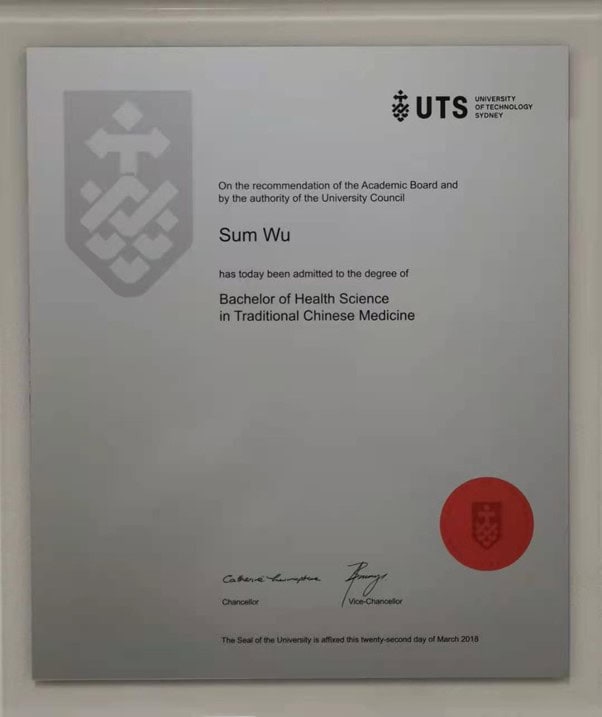
Bachelor of Health Science in Traditional Chinese Medicine (UTS)
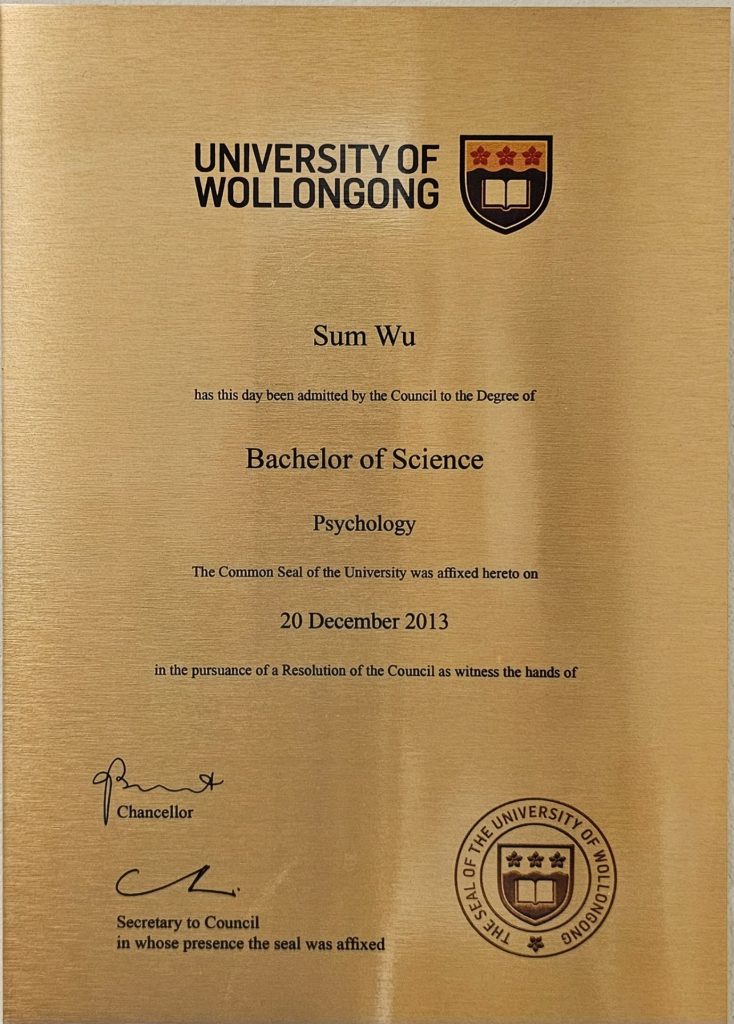
Bachelor of Science Majoring in Psychology (UOW)
Director of Hurstville Chinese Herbs Centre
Vice Dean of College of Traditional Chinese Medicine Orthopedics Australia
Specialising in pain management and mental wellbeing through Tradition Chinese medicine in combination with modern science in mental health, dieting and nutrition.
吴宇琛,澳大利亚政府注册中医师、针灸师,五龙岗大学心理学学士、悉尼科技大学中医系学士,澳大利亚松轩中医药中心主任医师,澳大利亚中医骨伤专科学院副院长。
擅长用传统针灸理伤手法和中药治疗各种新旧损伤痛症,特别采用中医中药和现代心理学、营养学相结合调理治疗各种慢性病和亚健康。
Australia’s healthcare system is increasingly diverse, offering patient’s access to both conventional Western treatments and complementary therapies rooted in ancient traditions. Among the most widely utilized approaches are physiotherapy and Traditional Chinese Medicine (TCM). While each originates from a different medical philosophy, both play an important role in promoting recovery, relieving pain, and improving quality of life. Understanding their similarities and differences can help patients make informed healthcare choices.
澳大利亚的医疗体系日益多元化,不仅为患者提供传统西方医学治疗,还提供源于古老传统的补充疗法。在众多被广泛采用的治疗方法中,物理治疗与中医(TCM)尤为突出。尽管两者源于截然不同的医学理念,但它们在促进康复、缓解疼痛以及提高生活质量方面都扮演着重要角色。了解它们的相似与差异,有助于患者做出更明智的医疗选择。
Physiotherapy is grounded in Western biomedical science. It focuses on evidence-based practices to assess, diagnose, and treat physical dysfunctions, particularly of the musculoskeletal, neurological, and respiratory systems. Practitioners aim to restore physical function through movement and targeted interventions.
物理治疗以西方生物医学科学为基础,强调循证实践,用于评估、诊断和治疗身体功能障碍,特别是在肌肉骨骼、神经系统和呼吸系统方面。物理治疗师通过运动和有针对性的干预措施来恢复身体功能。
In contrast, TCM is based on thousands of years of Chinese medical theory. It views health as a balance of vital energies (Qi), Yin-Yang harmony, and the smooth flow of Qi and blood through meridians. Treatments such as acupuncture, Tuina, herbal medicine, and dietary therapy aim to restore internal balance rather than focus solely on physical structures.
相比之下,中医则建立在数千年的中国医学理论之上。它认为健康是“气”的平衡、阴阳的和谐以及气血在经络中的顺畅流动。针灸、推拿、中药和食疗等中医治疗手段,旨在恢复身体内部的整体平衡,而不仅仅是关注表层的身体结构。
Both professions are formally regulated in Australia under the umbrella of the Australian Health Practitioner Regulation Agency (AHPRA). Physiotherapists must complete a four-year university degree and register with the Physiotherapy Board of Australia. Similarly, TCM practitioners must meet standards set by the Chinese Medicine Board of Australia. Graduates in Australia also undergo a 4 year university degree or similar diploma level education.
这两个行业在澳大利亚都受到正式监管,隶属于澳大利亚健康从业者管理局(AHPRA)。物理治疗师必须完成四年制大学课程,并在澳大利亚物理治疗委员会注册。同样,中医从业者也需达到澳大利亚中医管理局制定的专业标准。在澳大利亚接受培训的中医毕业生通常也完成了四年制大学课程或相当于高级文凭的学习。
This shared requirement for formal education and registration ensures patient safety and professional accountability in both fields.
这种统一的教育和注册要求,确保了患者的安全和专业责任。
Physiotherapy commonly involves manual therapy, exercise prescription, electrotherapy (e.g., ultrasound or TENS), and education to support injury prevention and recovery. It often requires active participation from the patient, including rehabilitation exercises and lifestyle changes.
物理治疗常包括手法治疗、运动处方、电疗(如超声波或TENS低频电疗)以及预防损伤与康复相关的健康教育。该过程往往需要患者的积极参与,包括康复锻炼与生活方式的调整。
TCM treatments are generally more passive from the patient’s perspective. Tuina involves therapeutic massage and acupressure, while acupuncture uses fine needles to stimulate specific points on the body. Herbal remedies may also be prescribed to support internal balance. TCM techniques focus on treating both the symptoms and the root cause from a holistic standpoint.
从患者角度来看,中医治疗通常更为被动。推拿通过治疗性按摩和穴位按压进行干预,而针灸则是利用细针刺激身体的特定穴位。中药可能被用以辅助内部调理。中医治疗强调从整体角度出发,既治疗症状,也解决病因。
Both physiotherapy and TCM treat a broad range of conditions. Physiotherapy is often recommended for sports injuries, post-surgical rehabilitation, chronic pain, and mobility issues. TCM can address musculoskeletal pain, but is also commonly used for digestive disorders, stress, fatigue, fertility, and menstrual problems.
物理治疗和中医都能治疗范围广泛的健康问题。物理治疗常用于运动损伤、术后康复、慢性疼痛及活动能力障碍等。中医不仅可用于肌肉骨骼疼痛,还广泛用于消化不良、压力、疲劳、不孕以及月经问题等。
Integration into the healthcare system also differs. Physiotherapists are fully integrated into hospitals, aged care, and rehabilitation services. TCM, while not yet mainstream in public hospitals, is increasingly offered in private clinics, integrative health centres, and by GP referral, especially acupuncture.
它们在医疗系统中的综合程度也有所不同。物理治疗师已全面融入医院、养老院和康复中心等机构。而中医虽然尚未在公立医院普及,但针灸等治疗手段已越来越多地出现在私人诊所、综合健康中心以及由全科医生推荐的服务中。
Physiotherapy is supported by a strong body of scientific research, clinical guidelines, and outcome measures. While TCM is based on centuries of empirical knowledge, its scientific evidence base is still developing, though acupuncture in particular has gained clinical recognition for treating pain, nausea, and certain chronic conditions.
物理治疗拥有强大的科学研究支持、临床指南和疗效评估机制。而中医虽以几千年的经验为基础,其科学证据体系仍在逐步建立中。值得一提的是,针灸在缓解疼痛、恶心以及某些慢性疾病方面,已获得临床认可。
Though they stem from vastly different medical traditions, physiotherapy and TCM in Australia share a commitment to patient care, safety, and professionalism. Together, they offer patients a diverse toolkit to manage health conditions, combining modern science with time-tested traditional healing.
尽管两者源于完全不同的医学体系,但在澳大利亚,物理治疗与中医都秉持对患者健康、安全与专业的承诺。两者结合,为患者提供了融合现代科学与传统智慧的多元化健康管理工具。
如有疑问想咨询吴宇琛中医师,可以在微信或whatsapp搜索61 404836368,加吴宇琛中医师微信或whatsapp,也可以发短信或致电0404836368作语音留言,吴宇琛中医师有空就会回复。
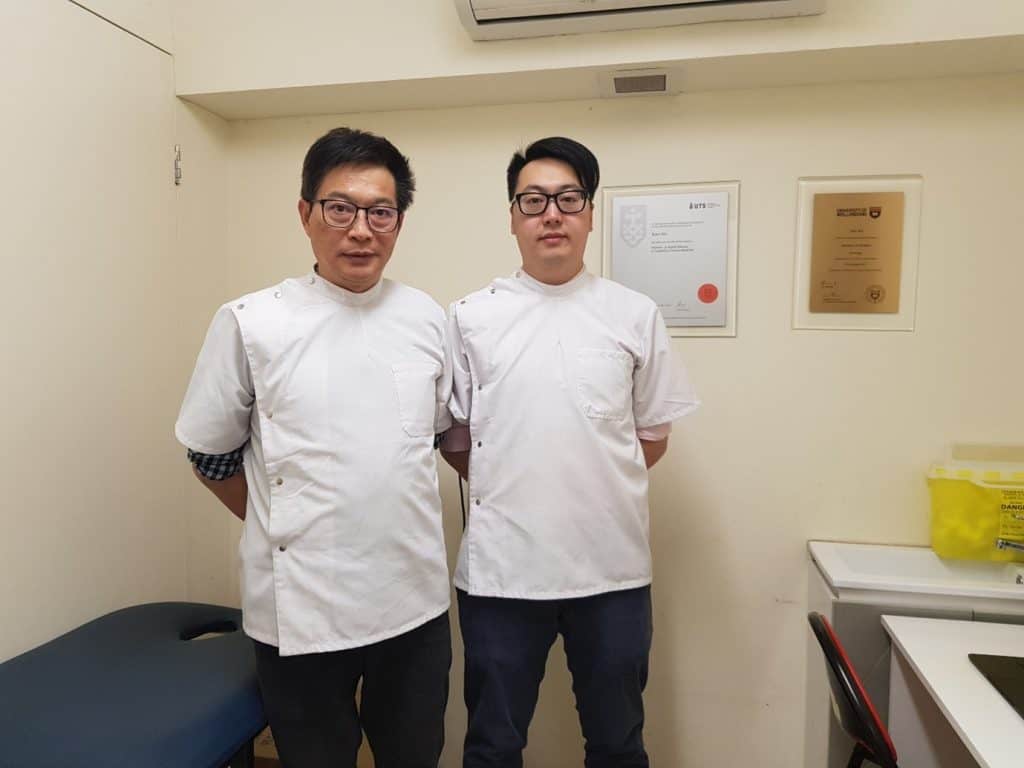
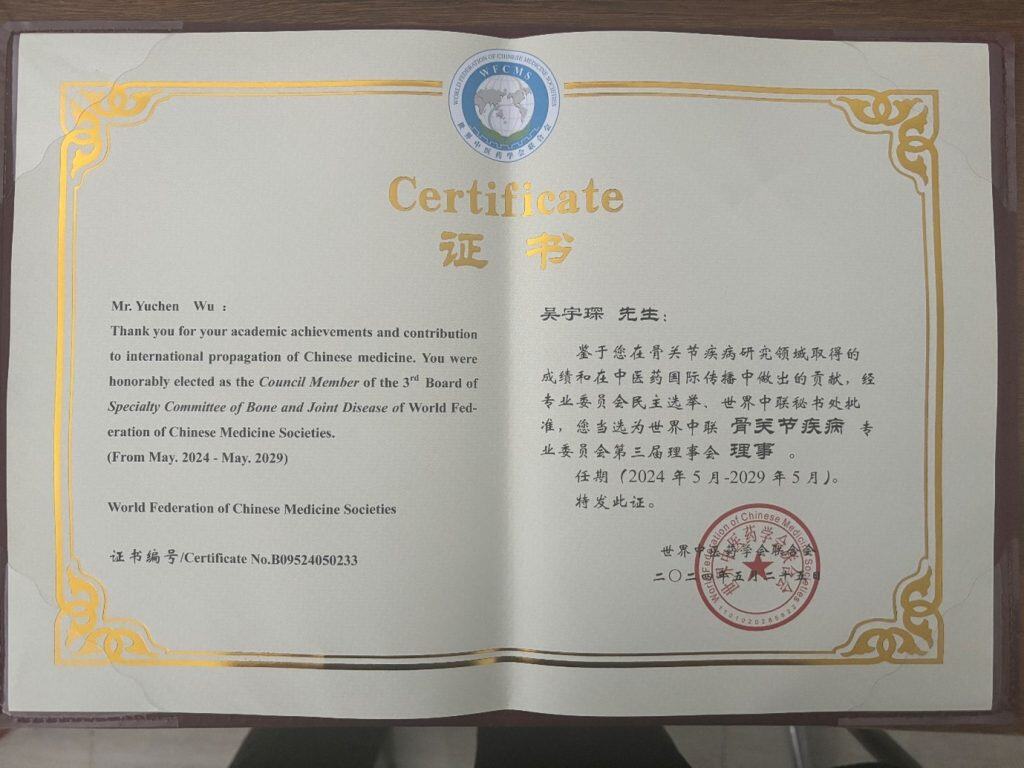
(吴宇琛中医师,澳大利亚政府注册中医师、针灸师,五龙岗大学心理学学士、悉尼科技大学中医系学士,悉尼好思维松轩药行主任中医师,澳大利亚中医骨伤专科学院副院长,本文仅供参考,具体诊疗应咨询专业人士。)


 FACEBOOK
 WECHAT

 INSTAGRAM
