
 2025年08月26日 10:54 發布
編輯:Editor
2025年08月26日 10:54 發布
編輯:Editor
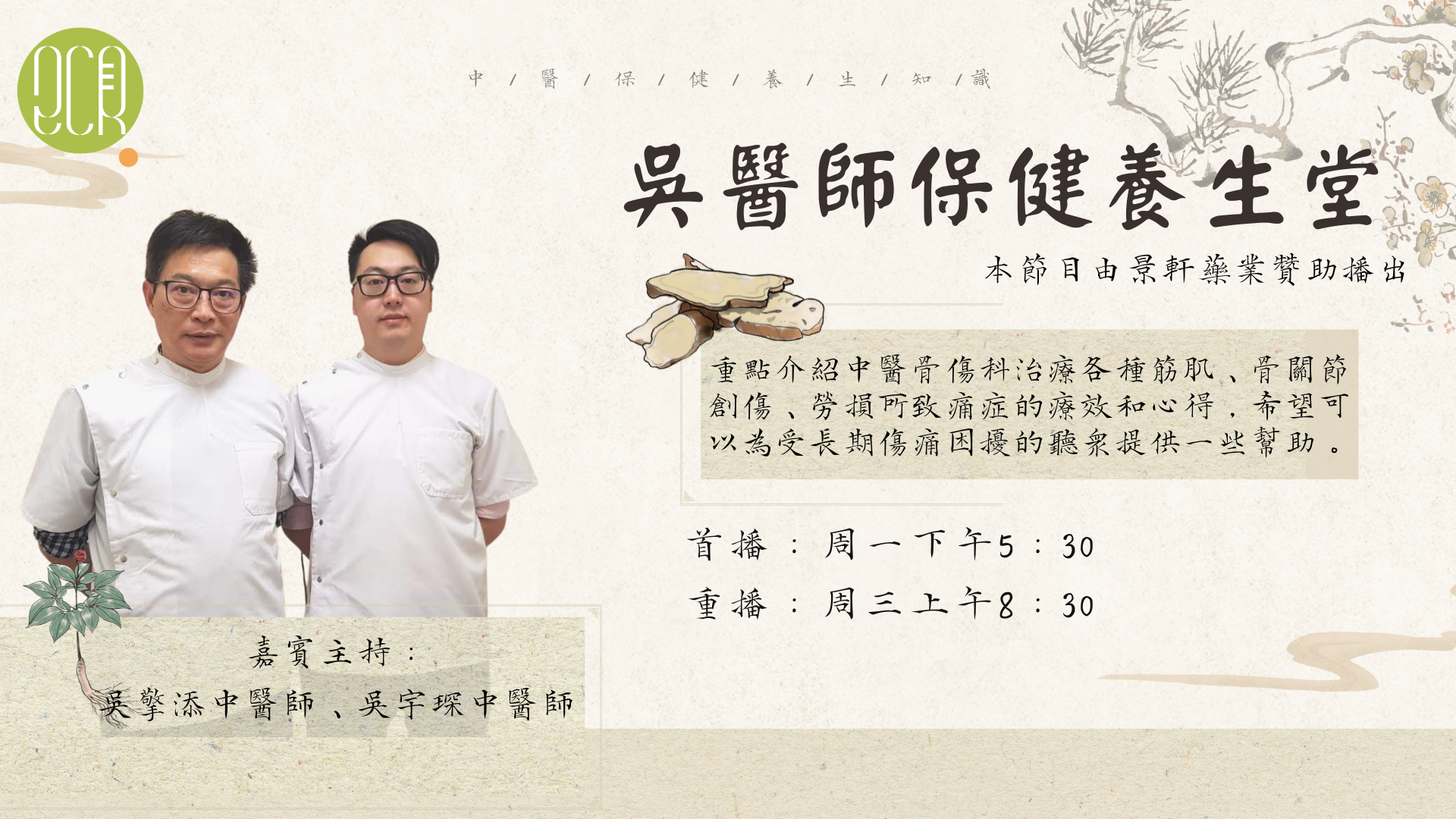
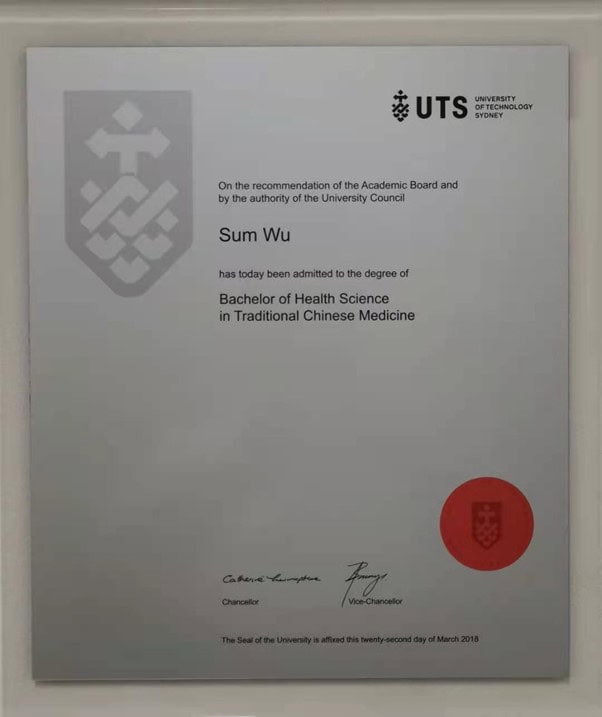
Sum Wu
Registered Chinese Medicine Practitioner
Bachelor of Health Science in Traditional Chinese Medicine (UTS)
Bachelor of Science Majoring in Psychology (UOW)
Director of Hurstville Chinese Herbs Centre
Vice Dean of College of Traditional Chinese Medicine Orthopedics Australia
Specialising in pain management and mental wellbeing through Tradition Chinese medicine in combination with modern science in mental health, dieting and nutrition.
吳宇琛,澳大利亞政府注册中醫師、針灸師,五龍崗大學心理學學士、悉尼科技大學中醫系學士,澳大利亞松軒中醫藥中心主任醫師,澳大利亞中醫骨傷專科學院副院長。
擅長用傳統針灸理傷手法和中藥治療各種新舊損傷痛症,特別採用中醫中藥和現代心理學、營養學相結合調理治療各種慢性病和亞健康。

The management of acute injuries often sparks differing opinions between Western medicine and Traditional Chinese Medicine (TCM), particularly regarding the use of ice or cold therapy. While ice application is a cornerstone of modern Western first aid protocols, TCM generally advises against it. Understanding the rationale behind each approach reveals not only contrasting medical philosophies but also insights into how injury healing can be approached holistically.
急性外傷的處理往往引發西醫與傳統中醫(TCM)之間的不同觀點,尤其是在冰敷或冷療的應用上。冰敷作為現代西方急救的重要組成部分被廣泛認可,而中醫則通常不建議使用冰敷。理解兩種方法背後的理論基礎,不僅揭示了截然不同的醫療哲學,也為我們提供了從整體角度看待外傷康復的洞見。
Ice Therapy in Western Medicine 西醫中的冰敷療法
In Western medicine, the application of ice or cold packs, commonly known as cryotherapy, is widely accepted as a first-line treatment for acute injuries such as sprains, strains, bruises, and inflammation. The primary goals of ice therapy are to reduce swelling, decrease pain, and limit tissue damage. When an injury occurs, blood vessels dilate and fluid leaks into surrounding tissues, causing swelling and inflammation. Applying ice causes vasoconstriction, narrowing the blood vessels and slowing blood flow to the injured area.
在西醫中,冰敷或冷敷(通常稱為冷療法)被廣泛認為是治療急性損傷(如扭傷、拉傷、挫傷和炎症)的首選方法。冰敷的主要目的是减少腫脹、緩解疼痛並限制組織損傷。當受傷發生時,血管擴張,液體滲入周圍組織,導致腫脹和炎症。通過冰敷使血管收縮,從而縮小血管腔徑,減緩受傷部位的血流速度。
This reduction in blood flow helps to limit the accumulation of fluid, decrease inflammation, and numb the nerve endings to reduce pain. Typically, ice is applied intermittently in the initial 24 to 72 hours post-injury. The “RICE” protocol (Rest, Ice, Compression, Elevation) has been a standard recommendation for decades and remains widely practiced in sports medicine and emergency care.
血流量的减少有助於限制液體的積聚,減輕炎症,同時使神經末梢麻木,從而緩解疼痛。通常,在受傷後的最初24至72小時內,冰敷會以間歇性管道進行使用。“RICE”原則(休息、冰敷、加壓、抬高)已被推薦使用數十年,並在運動醫學和急診護理中得到廣泛應用。
Western medicine’s emphasis on ice is supported by extensive clinical research demonstrating its effectiveness in managing acute inflammation and providing analgesia. However, there is also growing awareness that prolonged or excessive cold application can impair healing by restricting blood flow too much, so moderation and timing are crucial.
西醫對冰敷的重視得到了大量臨床研究的支持,這些研究表明冰敷在控制急性炎症和提供鎮痛方面具有顯著效果。然而,越來越多的研究和臨床經驗也顯示,長時間或過度使用冷敷可能因過度限制血流而妨礙組織修復,因此合理的使用頻率和時機至關重要。
TCM Perspective on Ice and Cold Therapy 中醫對冰敷和冷療的看法
Traditional Chinese Medicine conceptualizes injury and healing through the lens of Qi, blood flow, and the balance of Yin and Yang. In TCM theory, injury causes stagnation of Qi and blood in the affected area, leading to pain, swelling, and impaired function.
傳統中醫通過氣、血運行以及陰陽平衡的角度來理解損傷和癒合過程。在中醫理論中,損傷會導致受傷部位的氣血運行受阻,形成瘀滯,從而引發疼痛、腫脹和功能障礙。
Cold, including ice application, is considered a pathogenic factor that causes contraction, stagnation, and blockage within the meridians and vessels. Applying cold to an injury is believed to exacerbate the stagnation of Qi and blood, hindering circulation and delaying the healing process. For this reason, TCM practitioners generally advise against the use of ice packs in acute injuries.
寒邪(包括使用冰敷)被認為是一種致病因素,會導致經絡與血脈的收縮、瘀滯和阻塞。冰敷在中醫看來會加劇這種氣血不暢,進一步阻礙血液循環,從而延緩損傷的癒合過程。因此,中醫臨床通常不建議在急性損傷中使用冰敷。
Instead, TCM employs techniques that promote warming and circulation, such as moxibustion, acupuncture, and herbal compresses to disperse stagnation and restore balance. Warming the area helps to relax muscles, dilate blood vessels, and enhance the flow of Qi and blood, facilitating tissue repair and pain relief.
相反,中醫更傾向於採用促進溫熱和活血化瘀的治療方法,例如艾灸、針灸以及中藥熱敷等,通過溫通經絡、改善氣血循環來祛除瘀滯、恢復平衡。溫熱療法有助於放鬆肌肉、擴張血管、增强氣血流動,從而促進組織修復並緩解疼痛。
Integrating both sides 綜合中西醫觀點
Both Western medicine and TCM recognize the importance of managing inflammation and promoting healing, but their approaches differ due to distinct underlying philosophies. Western medicine focuses on immediate physical effects to reduce swelling and pain through vascular constriction. TCM prioritizes restoring homeostasis and circulation by avoiding cold and encouraging warmth.
西醫和中醫都認識到控制炎症和促進癒合的重要性,但兩者在治療理念和方法上存在根本差異。西醫強調通過血管收縮來實現快速的物理效果,從而減輕腫脹和疼痛;而中醫則更注重通過避免寒凉、促進溫熱和活血,來恢復體內的平衡與循環。
In practice, an integrative approach may yield the best results. For example, ice can be beneficial in the first hours after injury to control acute inflammation, while TCM warming therapies can be introduced later to stimulate healing and restore function. Understanding both perspectives enables patients and practitioners to tailor treatment according to the phase of injury and individual needs.
在臨床實踐中,結合兩種方法可能會獲得更理想的療效。例如,在損傷後的最初數小時內,冰敷可以有效控制急性炎症;隨後,可以逐漸引入中醫的溫熱療法,如艾灸或中藥熱敷,以促進組織修復和功能恢復。理解並結合這兩種醫學體系的觀點,可以幫助醫生和患者根據損傷的不同階段以及個體需求,製定更為精准、全面的治療方案。
如有疑問想咨詢吳宇琛中醫師,可以在微信或whatsapp搜索61 404836368,加吳宇琛中醫師微信或whatsapp,也可以發短信或致電0404836368作語音留言,吳宇琛中醫師有空就會回復。


(吳宇琛中醫師,澳大利亞政府注册中醫師、針灸師,五龍崗大學心理學學士、悉尼科技大學中醫系學士,悉尼好思維松軒藥行主任中醫師,澳大利亞中醫骨傷專科學院副院長,本文僅供參考,具體診療應諮詢專業人士。)


 FACEBOOK
 WECHAT

 INSTAGRAM
