
 2026年07月14日 19:43 發布
編輯:Editor
2026年07月14日 19:43 發布
編輯:Editor
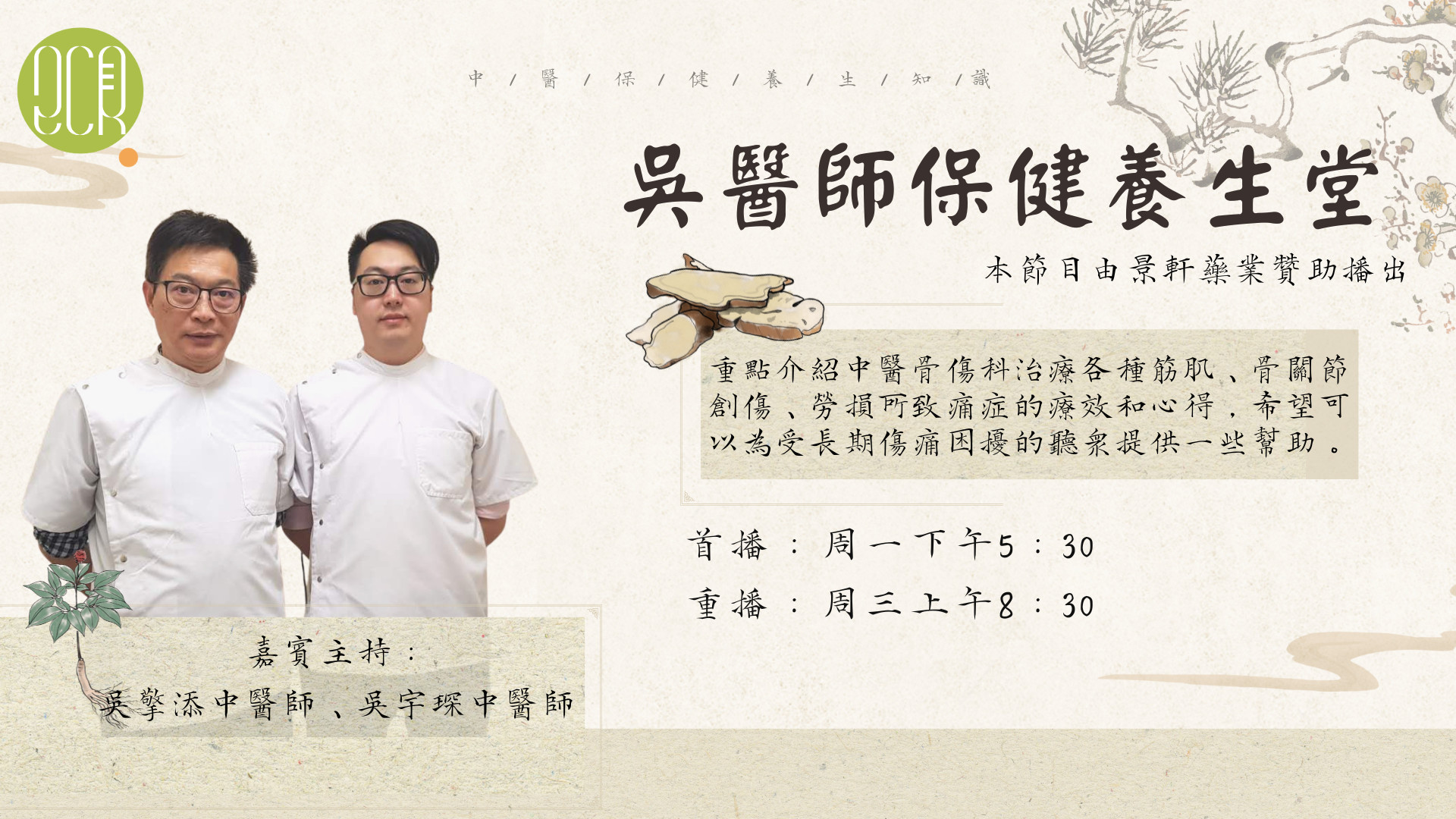
Sum Wu
Registered Chinese Medicine Practitioner
Bachelor of Health Science in Traditional Chinese Medicine (UTS)
Bachelor of Science Majoring in Psychology (UOW)
Director of Hurstville Chinese Herbs Centre
Vice Dean of College of Traditional Chinese Medicine Orthopedics Australia
Specialising in pain management and mental wellbeing through Tradition Chinese medicine in combination with modern science in mental health, dieting and nutrition.
吳宇琛,澳大利亞政府注冊中醫師、針灸師,五龍崗大學心理學學士、悉尼科技大學中醫系學士,澳大利亞松軒中醫藥中心主任醫師,澳大利亞中醫骨傷專科學院副院長。
擅長用傳統針灸理傷手法和中藥治療各種新舊損傷痛症,特別採用中醫中藥和現代心理學、營養學相結合調理治療各種慢性病和亞健康。


As winter settles across Australia, many people begin to notice familiar symptoms returning: dry skin, cracked lips, itchy eyes, dry throats, persistent coughs, and increased sensitivity to colds and flu. While these issues are often attributed simply to colder weather, Traditional Chinese Medicine (TCM) offers a broader perspective. According to TCM theory, winter in Australia can be a particularly challenging season because it combines two factors that can affect health: Cold and Dryness.
隨著冬季來臨澳洲,許多人都開始出現熟悉的不適症狀:皮膚乾燥、嘴唇龜裂、眼睛乾澀、喉嚨乾痛、久咳不癒,以及更容易感冒或感染流感。雖然這些問題常被認為只是天氣變冷所致,但中醫對此有更全面的理解。根據中醫理論,澳洲的冬天往往同時具有兩種容易影響人體健康的氣候特點:寒與燥。
Many people are surprised to learn that Australia is relatively dry compared with many parts of the world. During winter, lower humidity, cold winds, indoor heating, and prolonged exposure to air-conditioned environments can further reduce moisture in the air. Over time, these conditions may gradually deplete the body’s Yin and Body Fluids, leading to symptoms of dryness that affect multiple systems of the body.
許多人都可能不知道,相較於世界許多地區,澳洲本身便是一個相對乾燥的國家。到了冬季,空氣濕度進一步下降,加上寒風、室內暖氣以及長時間處於空調環境中,都會使空氣中的水分減少。久而久之,這些因素可能逐漸耗傷人體的陰液與津液,導致各種乾燥症狀出現,並影響身體多個系統的正常運作。
In TCM, Dryness is recognised as one of the six external pathogenic factors. Unlike Dampness, which creates heaviness and congestion, Dryness consumes moisture and nourishment. The organ most vulnerable to Dryness is the Lung. Chinese medicine describes the Lung as a delicate organ because it is directly exposed to the external environment through breathing.
在中醫理論中,燥邪被列為六淫邪氣之一。與會造成沉重感和阻滯感的“濕邪”不同,燥邪的特性是消耗人體水分與滋養物質。最容易受到燥邪影響的臟腑是肺。中醫認為肺為嬌臟,因為它直接通過呼吸與外界環境接觸,因此特別容易受到外邪侵襲。
When Winter Dryness affects the Lung, common symptoms may include:
當冬天燥邪侵犯肺部時,常見症狀包括:
Many Australians notice that they wake up with a dry mouth or irritated throat despite drinking enough water. Others experience worsening eczema, sinus irritation, or recurring winter coughs that seem to linger long after a cold has resolved.
許多人會發現,即使每天飲用足够的水,早晨醒來仍感到口乾舌燥或喉嚨不適。有些人則會出現濕疹惡化、鼻竇刺激,或冬天感冒後咳嗽遲遲無法痊癒等問題。
Winter can also place additional demands on the body’s Yang energy. In TCM, winter is associated with the Kidney system and represents a time of conservation, restoration, and nourishment. Traditionally, people were encouraged to slow down, rest more, and preserve their energy during the colder months. Modern lifestyles, however, often work against these natural rhythms.
冬天同時也會對人體的陽氣帶來額外負擔。在中醫理論中,冬天與腎系統相對應,是人體收藏、修復與滋養的季節。古人認為冬天應順應自然規律,適當减少消耗、多休息、保存精氣。然而現代人的生活方式往往與這種節律背道而馳。
Many Australians continue to work long hours, stay up late, spend extended periods in front of screens, and move between heated indoor environments and cold outdoor temperatures. From a TCM perspective, these habits can gradually consume both Yin and Yang, leaving the body less resilient during winter.
許多人即使到了冬天,仍然長時間工作、熬夜、久坐使用電子產品,並頻繁往返於暖氣室內與寒冷戶外之間。從中醫角度來看,這些習慣可能逐漸耗損人體的陰陽之氣,使身體在冬天變得較為脆弱,抵抗力下降。
One common misconception is that dryness simply means a lack of water intake. While staying hydrated is important, TCM views fluid balance as more complex. The Spleen is responsible for transforming fluids from food and drink, while the Lung distributes these fluids throughout the body. If either system becomes weakened, a person may experience symptoms of dryness even when drinking adequate amounts of water.
一個常見的誤解是認為“乾燥”只是喝水不足所造成。雖然保持充足水分攝取十分重要,但中醫對津液代謝的理解更加複雜。脾負責將飲食中的水分轉化吸收,而肺則負責將津液輸布至全身。如果脾或肺功能失調,即使飲水量足够,人體仍可能出現各種乾燥症狀。
Stress can also contribute to winter dryness. Emotional tension and chronic stress are believed to generate internal Heat, which can gradually consume Yin and Body Fluids. This may explain why many people experiencing burnout also report symptoms such as dry eyes, poor sleep, night waking, irritability, and fatigue.
壓力也是導致冬天乾燥的重要因素之一。中醫認為,長期情緒緊張和精神壓力容易產生內熱,而內熱會逐漸消耗人體陰液與津液。這或許能解釋為何許多處於工作倦怠(Burnout)狀態的人,經常同時出現眼睛乾澀、睡眠品質差、夜間易醒、煩躁不安及疲勞等問題。
Winter is also a season when respiratory illnesses become more common. From a TCM perspective, Dryness can weaken the Lung’s protective functions, making the body more vulnerable to external pathogens. This may be one reason why some individuals experience repeated colds, lingering coughs, or worsening allergies during the cooler months.
冬天亦是呼吸道疾病較為常見的季節。中醫認為燥邪會削弱肺的防禦功能,使人體更容易受到外邪侵襲。因此,有些人在冬天會反復感冒、咳嗽遷延不愈,或過敏症狀加重。
Fortunately, winter is also considered an ideal time to nourish the body. TCM traditionally recommends eating warm, cooked foods during winter to support digestion and preserve internal warmth. For those experiencing signs of dryness, foods that gently nourish Yin and Body Fluids may be beneficial. Examples include pears, white fungus, sesame seeds, Chinese yam, lily bulb, and slow-cooked soups. Warm herbal teas and broths are often preferred over iced drinks during this season.
幸運的是,冬天同時也是調養身體的理想時節。中醫傳統認為,冬天應多食用溫熱、熟食,以幫助脾胃運化功能,並維持體內陽氣和溫煦之力。對於出現乾燥症狀的人群,適當攝取具有滋陰潤燥、生津養液作用的食物,往往有助於緩解不適。常見的食材包括雪梨、銀耳、芝麻、山藥、百合以及經過長時間慢火熬煮的湯品。此外,在冬天飲用溫熱的花草茶或湯水,通常比冰冷飲品更有助於身體的調養和保健。
Adequate sleep is particularly important in winter. TCM views winter as a period of restoration, and maintaining regular sleep patterns may help support both Yin and Kidney energy. Managing stress, exercising moderately, and protecting the body from excessive exposure to cold winds can also contribute to overall wellbeing.
充足睡眠在冬天尤其重要。中醫認為冬天是人體修復與儲藏能量的重要時期,保持規律作息有助於滋養陰液與腎氣。同時,適度運動、管理壓力,以及避免長時間暴露於寒風之中,也有助於維持整體健康。
As Australia moves through the winter months, it is worth paying attention not only to keeping warm but also to maintaining moisture and nourishment within the body. While Western medicine may address dry skin, throat irritation, or respiratory symptoms individually, TCM looks for the underlying patterns connecting these complaints. By understanding the effects of Winter Dryness and adapting our habits accordingly, we can better support our health throughout the colder season and enter spring feeling stronger and more balanced.
當澳大利亞進入冬天時,我們不僅要注意保暖,更應關注身體是否獲得足够的滋潤與養分。西醫可能分別處理皮膚乾燥、喉嚨不適或呼吸道症狀,而中醫則更重視這些症狀背後是否存在共同的失衡模式。通過瞭解冬天燥邪對人體的影響,並適當調整生活習慣與飲食方式,我們便能更好地維護健康,在寒冷季節中保持活力,並以更平衡、更强健的狀態迎接春天的到來。
如有疑問想咨詢吳宇琛中醫師,可以在微信或whatsapp搜索61 404836368,加吳宇琛中醫師微信或whatsapp,也可以發短信或致電0404836368作語音留言,吳宇琛中醫師有空就會回復。


(吳宇琛中醫師,澳大利亞政府注冊中醫師、針灸師,五龍崗大學心理學學士、悉尼科技大學中醫系學士,悉尼好思維松軒藥行主任中醫師,澳大利亞中醫骨傷專科學院副院長,本文僅供參考,具體診療應諮詢專業人士。)


 FACEBOOK
 WECHAT

 INSTAGRAM
