
 2026年04月21日 13:49 發布
編輯:Editor
2026年04月21日 13:49 發布
編輯:Editor
Sum Wu
Registered Chinese Medicine Practitioner
Bachelor of Health Science in Traditional Chinese Medicine (UTS)
Bachelor of Science Majoring in Psychology (UOW)
Director of Hurstville Chinese Herbs Centre
Vice Dean of College of Traditional Chinese Medicine Orthopedics Australia
Specialising in pain management and mental wellbeing through Tradition Chinese medicine in combination with modern science in mental health, dieting and nutrition.
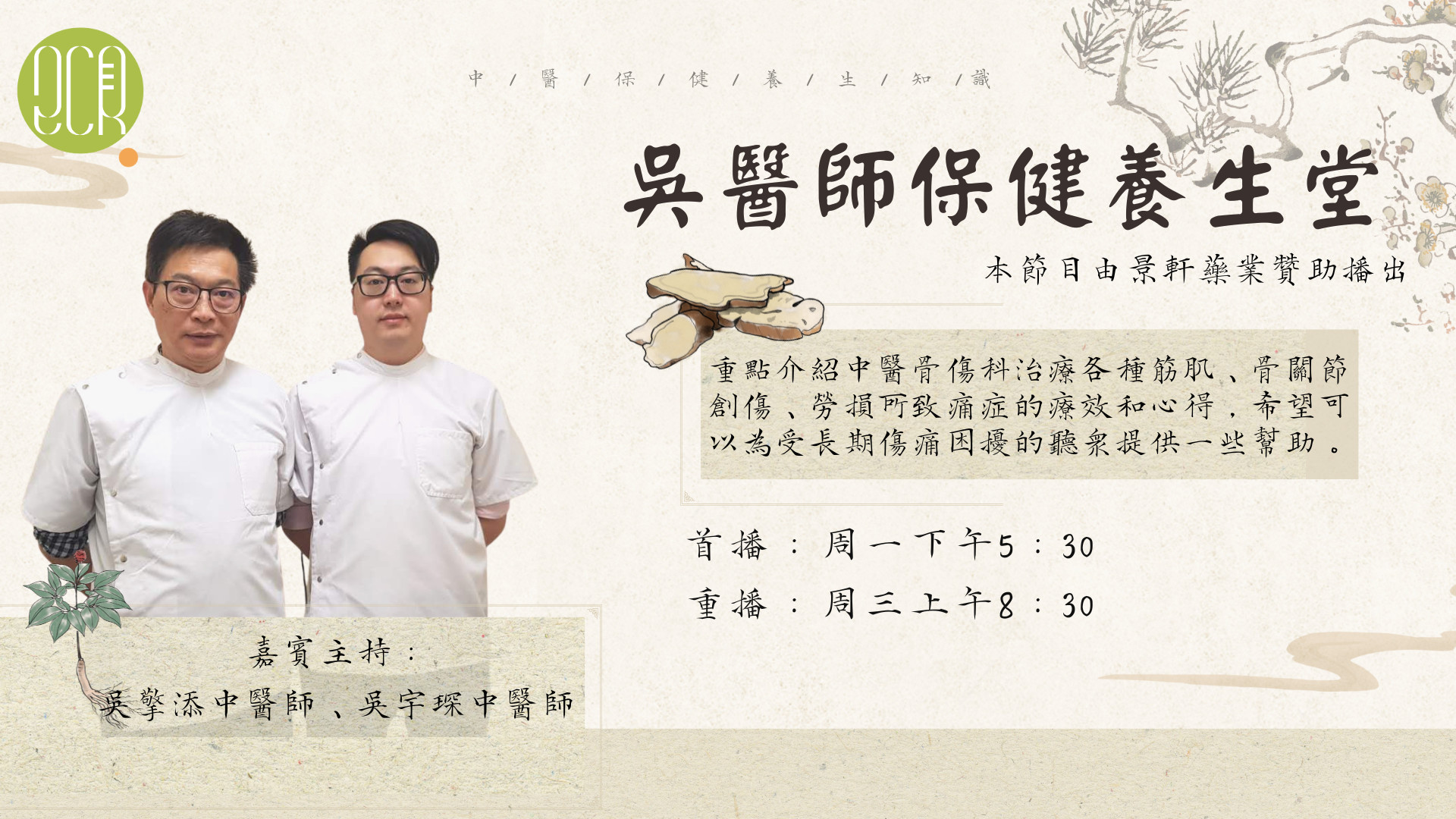
吳宇琛,澳大利亞政府注冊中醫師、針灸師,五龍崗大學心理學學士、悉尼科技大學中醫系學士,澳大利亞松軒中醫藥中心主任醫師,澳大利亞中醫骨傷專科學院副院長。
擅長用傳統針灸理傷手法和中藥治療各種新舊損傷痛症,特別採用中醫中藥和現代心理學、營養學相結合調理治療各種慢性病和亞健康。


Pao Zhi refers to the traditional methods used to prepare Chinese medicinal substances before they are prescribed in clinical practice. With a history spanning over 2,000 years, early records of this practice can be found in classical texts such as the Wu Shi Er Bing Fang (Formulas for 52 Diseases). In Traditional Chinese Medicine (TCM), herbs are rarely used in their raw, freshly harvested state. Instead, they undergo a series of preparatory steps including cleaning, drying, and further processing to optimise their safety and therapeutic effectiveness.
炮制是指在中醫臨床應用前,對中藥材進行加工處理的傳統方法。其歷史可追溯至兩千多年前,最早可見於《五十二病方》等古代醫籍。在中醫理論中,中藥很少以剛採收的原始狀態直接使用,而是需要經過一系列處理步驟,包括清洗、乾燥及進一步加工,以提高其安全性和治療效果。
Once harvested, herbs are first cleaned of impurities and dried. At this stage, they are known as “Sheng” (生), meaning raw or unprocessed. However, many herbs require additional treatment through pao zhi techniques before they are suitable for clinical use. These methods are not merely technical preparations, they fundamentally transform the properties and functions of the herbs.
中藥採收後,首先需去除雜質並進行乾燥,此時稱為「生藥」,即未經加工的原始藥材。然而,許多藥物在臨床應用前仍需經過進一步的炮製處理。這些方法不僅是技術性的準備過程,更會從根本上改變藥物的性質與功效。
One of the primary reasons for pao zhi is reducing toxicity and side effects. Some herbs are naturally harsh or even poisonous in their raw form. Through careful processing, these substances can be rendered safe and therapeutically useful. A well-known example is Fu Zi (Aconite), which is highly toxic when fresh but has been safely used for centuries after undergoing specific detoxifying processes. Historical records even describe dozens of different processing methods for this single herb, highlighting the precision and importance of pao zhi.
炮制的首要目的之一是降低毒性和副作用。部分中藥在生品狀態下性質峻烈,甚至具有毒性。通過適當的加工處理,這些藥物可以轉化為安全且具有治療價值的藥材。附子(烏頭)是一個典型例子,其生品具有強烈毒性,但經過規範炮製後,已被安全應用於中醫臨床數百甚至上千年。歷史文獻中甚至記載了數十種針對附子的炮製方法,體現了炮製技術的精細與重要性。
Another important purpose is enhancing therapeutic effects. Processing can strengthen an herb’s medicinal actions or refine usage. For instance, when Gan Cao (Licorice root) is fried with honey, its ability to tonify the Spleen and augment Qi is significantly increased. This demonstrates how pao zhi can tailor an herb’s function to better match specific treatment goals.
另一個重要作用是增强藥效。炮製可以强化藥物的治療作用或使其更具針對性。例如,甘草經蜜炙後,其補脾益氣的功效明顯增强。這說明炮製能够根據臨床需求,對藥物的功能進行優化與調整。
Pao zhi also allows practitioners to direct the action of herbs to particular organs or channels. This is achieved by processing herbs with specific adjunct substances. For example, salt frying helps guide herbs to the Kidneys, wine frying enhances circulation and promotes upward movement, and vinegar frying directs an herb’s effects to the Liver while improving pain-relieving properties. Through these techniques, the clinical application of herbs becomes more precise and targeted.
炮製還可以引導藥物作用於特定臟腑或經絡。這一點通常通過加入不同輔料來實現。 例如,鹽炙可以引藥入腎,增强其作用於下焦的效果;酒炙可以促進血行,並使藥性趨於上行與外達;醋炙則有助於引藥入肝,並增强止痛作用。通過這些方法,藥物的臨床應用更加精准。
Additionally, processing helps moderate the nature of herbs. In TCM, herbs are classified according to their thermal properties ranging from cold to hot. Some raw herbs may be too cold, too drying, or too harsh for digestion. Processing can adjust these qualities, making herbs more balanced and suitable for patient use.
此外,炮製還具有調和藥性的作用。中醫將藥物按寒、熱、溫、凉等性質分類,有些生藥可能過於寒凉、燥烈或難以消化。通過加工處理,可以調整其偏性,使其更加平和,减少對脾胃的刺激,更適合患者服用。
Several common pao zhi methods are widely used. Dry stir-frying (Chao) involves heating herbs without liquid, often enhancing their digestive and Spleen-supporting functions. Stir-frying with adjuvants such as honey, wine, vinegar, salt, ginger juice, or bran modifies specific therapeutic actions and reduces unwanted effects. For example, bran frying can make drying herbs gentler on the stomach.
常見的炮製方法包括多種類型。其中,清炒是指在無液體條件下加熱藥物,通常可增强其健脾助運的作用。輔料炒制則是在炒制過程中加入蜂蜜、酒、醋、鹽、薑汁或麩皮等,以改變藥物的效能並减少不良反應。例如,麩炒可減輕某些燥性藥物對胃的刺激。
Steaming (Zheng) is another transformative method. A classic example is Rehmannia root. In its raw form (Sheng Di Huang), it clears heat, but after steaming, it becomes Shu Di Huang, which nourishes Blood and Yin and essentially changing its entire clinical role.
蒸制是一種具有顯著轉化作用的方法。以地黃為例,生地黃性寒,主要用於清熱凉血;而經過反復蒸制後成為熟地黃,其藥性轉為微溫,主要用於補血滋陰,臨床作用發生了根本性改變。
Other techniques include calcining (Duan), often used for minerals to improve grindability and absorption, and charring (Tan), which enhances an herb’s ability to stop bleeding.
其他常見方法還包括煅制,多用於礦物類藥材,以提高其研磨性和吸收性;以及炭制,通過加熱至焦黑但未成灰,增强藥物止血的作用。
In summary, pao zhi is a sophisticated and essential aspect of TCM herbal practice. By modifying toxicity, enhancing efficacy, directing therapeutic action, and balancing herbal properties, it allows practitioners to use natural substances safely and effectively.
總的來說,炮製是中藥學中一項精細而關鍵的技術。通過降低毒性、增强療效、引導歸經以及調和藥性,炮製使中藥能够更加安全、有效地應用於臨床實踐。
如有疑問想咨詢吳宇琛中醫師,可以在微信或whatsapp搜索61 404836368,加吳宇琛中醫師微信或whatsapp,也可以發短信或致電0404836368作語音留言,吳宇琛中醫師有空就會回復。


(吳宇琛中醫師,澳大利亞政府注冊中醫師、針灸師,五龍崗大學心理學學士、悉尼科技大學中醫系學士,悉尼好思維松軒藥行主任中醫師,澳大利亞中醫骨傷專科學院副院長,本文僅供參考,具體診療應諮詢專業人士。)


 FACEBOOK
 WECHAT

 INSTAGRAM
