

 2026年10月07日 13:14 發布
編輯:Editor
2026年10月07日 13:14 發布
編輯:Editor
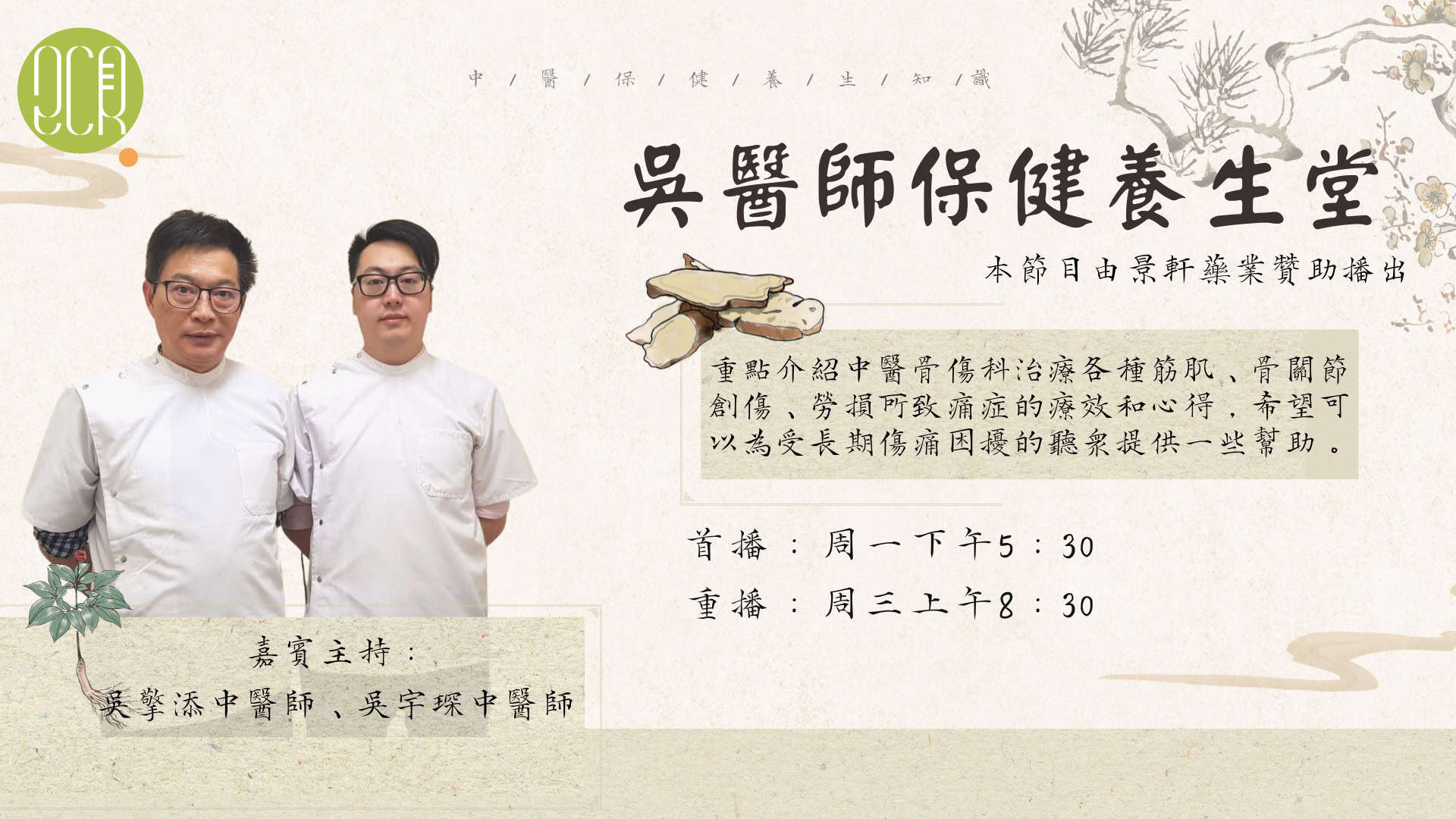
Sum Wu
Registered Chinese Medicine Practitioner
Bachelor of Health Science in Traditional Chinese Medicine (UTS)
Bachelor of Science Majoring in Psychology (UOW)
Director of Hurstville Chinese Herbs Centre
Vice Dean of College of Traditional Chinese Medicine Orthopedics Australia
Specialising in pain management and mental wellbeing through Tradition Chinese medicine in combination with modern science in mental health, dieting and nutrition.
吳宇琛,澳大利亞政府注冊中醫師、針灸師,五龍崗大學心理學學士、悉尼科技大學中醫系學士,澳大利亞松軒中醫藥中心主任醫師,澳大利亞中醫骨傷專科學院副院長。
擅長用傳統針灸理傷手法和中藥治療各種新舊損傷痛症,特別採用中醫中藥和現代心理學、營養學相結合調理治療各種慢性病和亞健康。


As Australia moves out of winter and into spring, the days become longer, temperatures begin to rise, and plants return to active growth. In Traditional Chinese Medicine (TCM), this seasonal transition is more than a change in weather. Spring represents renewal, expansion and movement, and is traditionally associated with the Wood element and the Liver system.
隨著澳洲告別冬季、迎來春季,白晝逐漸延長,氣溫開始回升,植物也重新進入生長旺盛的階段。在傳統中醫學(TCM)中,這種季節轉換並非單純的天氣變化。春季象徵新生、舒展與活動,在中醫理論中,春季與五行中的木以及肝系統密切相關。
According to TCM theory, living in harmony with seasonal changes can help the body adapt more smoothly and maintain balance. Spring is therefore a time to gradually become more active, support the smooth movement of Qi, and pay attention to problems that may become more noticeable as the weather changes.
根據中醫理論,配合季節變化調整生活方式,有助身體更順利適應環境,維持陰陽與氣血的平衡。因此,春季適合逐漸增加活動、促進氣機暢順,同時也應留意一些可能隨氣候轉變而更明顯的健康問題。
Spring is traditionally associated with Wind in Traditional Chinese Medicine. As winter ends and temperatures begin to rise, the weather often becomes more changeable. A warm afternoon may be followed by a cool evening, while windy days can bring sudden changes in temperature, humidity, pollen and airborne particles. For this reason, spring has traditionally been considered a season when the body may be particularly vulnerable to disorders associated with Wind.
在傳統中醫學中,春季與風有密切關係。冬季結束、氣溫逐漸回升之際,天氣往往變化較大。溫暖的下午之後,晚上可能突然轉凉;而颳風的日子也可能伴隨氣溫、濕度、花粉以及空氣中懸浮微粒的快速變化。因此,中醫傳統上認為,春季是人體較容易受到“風邪”影響的季節。
This concept is especially relevant to people who experience hay fever and seasonal allergic rhinitis, including sneezing, runny or blocked nose, itchy eyes and throat irritation.
這個概念對於容易出現花粉症及季節性過敏性鼻炎的人尤其值得注意。常見症狀包括打噴嚏、流鼻水、鼻塞、眼睛瘙癢以及喉嚨不適等。
In TCM, Wind is considered one of the major external pathogenic factors. It is characterised by movement, rapid change and symptoms that may appear suddenly or move from one area of the body to another.
在中醫理論中,“風”是主要的外感病邪之一。風邪的特點是流動性強、變化迅速,因此相關症狀往往突然出現,而且症狀的位置和程度也可能快速改變。
This traditional description has some interesting parallels with springtime environmental conditions. Wind can transport large quantities of pollen, dust and other airborne particles. At the same time, flowering grasses, trees and weeds can substantially increase environmental pollen exposure.
這種傳統描述與春季的自然環境有一些有趣的相似之處。風可以將大量花粉、灰塵以及其他空氣中的微粒帶到不同地方。同時,春季草木、樹木及雜草開始大量開花生長,也可能明顯增加環境中的花粉濃度。
From a modern medical perspective, hay fever occurs when the immune system reacts to normally harmless allergens such as pollen. Exposure triggers an inflammatory response involving substances including histamine, producing symptoms such as sneezing, nasal congestion, watery discharge and itchy or watery eyes.
TCM describes the same clinical presentation using a different theoretical framework.
從現代醫學角度來看,花粉症是由於免疫系統對花粉等通常無害的過敏原產生過度反應。接觸這些過敏原後,身體會產生炎症反應,並涉及組胺等物質的釋放,從而引起打噴嚏、鼻塞、大量清水樣鼻涕,以及眼睛瘙癢或流眼淚等症狀。
中醫則使用另一套理論體系來理解和分析這些臨床表現。
TCM teaches that the Lung governs the nose and influences the body’s defensive Qi, known as Wei Qi (衛氣). Wei Qi is traditionally described as circulating near the exterior of the body and helping protect against external pathogenic influences.
中醫認為,“肺開竅於鼻”,並與人體的防禦之氣衛氣密切相關。傳統理論認為,衛氣運行於人體體表,具有保護身體、抵禦外邪的作用。
When this defensive function is considered weak, a person may be more susceptible to environmental changes. In spring, exposure to Wind may therefore be associated with repeated sneezing, nasal discharge, itchy throat, watery eyes or sensitivity to changing temperatures.
當這種防禦功能較弱時,人體可能會對外界環境的變化更加敏感。因此在春季接觸風邪時,部分人士可能較容易反復出現打噴嚏、流鼻水、喉嚨瘙癢、眼睛流淚,或對冷熱變化特別敏感等情况。
A person who repeatedly develops these symptoms may be described as having an underlying deficiency of Lung Qi or Wei Qi. However, not every case of hay fever is considered the same.
如果一個人經常反復出現這些症狀,中醫可能會考慮其是否存在肺氣不足或衛氣不足的情况。不過,中醫並不認為所有花粉症患者都屬於同一種證型。
One of the important principles of TCM is pattern differentiation. Two people may both have seasonal allergies but receive different treatment approaches.
中醫其中一個重要的原則就是辨證。即使兩個人同樣患有季節性過敏,在中醫診斷中也可能屬於不同證型,因此治療方法也可能有所不同。
For example, frequent sneezing with clear watery nasal discharge, sensitivity to cold and a pale tongue may suggest a pattern involving Wind-Cold.
例如,如果患者經常打噴嚏、流大量清稀鼻水、怕冷,而且舌色偏淡,中醫可能會考慮屬於風寒證型。
By contrast, nasal congestion with a sore or dry throat, red or itchy eyes, yellowish nasal discharge and a redder tongue may be interpreted as Wind-Heat.
相反,如果鼻塞同時伴有喉嚨痛或乾燥、眼睛紅或瘙癢、鼻涕偏黃,以及舌色較紅,則可能被辨證為風熱。
Another person may experience recurrent allergies together with tiredness, shortness of breath, spontaneous sweating or frequent respiratory infections. From a TCM perspective, this may indicate an underlying Lung Qi or Wei Qi deficiency.
另一類患者可能反復出現過敏,同時伴有容易疲倦、氣短、自汗或經常出現呼吸道感染等情况。從中醫角度來看,這可能與肺氣不足或衛氣不足有關。
Digestive symptoms can also be important. Someone with allergies accompanied by fatigue, poor appetite, bloating, loose stools or a thick tongue coating may be assessed for Spleen Qi deficiency and accumulation of Dampness or Phlegm.
消化系統的表現也十分重要。如果過敏患者同時有疲倦、食欲不佳、腹脹、大便偏稀或舌苔較厚等情况,中醫可能會進一步考慮是否存在脾氣虛以及濕邪或痰濕積聚。
These distinctions help explain why Chinese medicine does not necessarily use the same herbal prescription or acupuncture treatment for everyone with hay fever.
這些不同的辨證正好說明,為什麼中醫治療花粉症時,並不一定會對所有患者使用相同的中藥處方或針灸治療。
Spring is also associated with the Liver and Wood element. Liver Qi naturally represents movement and expansion, but excessive stress, frustration, poor sleep or irregular routines may contribute to what TCM describes as Liver Qi stagnation or excessive rising of Liver Yang.
春季也與肝及五行中的木密切相關。肝氣在中醫理論中具有昇發、舒展及調暢氣機的特性。然而,過度壓力、情緒抑鬱或煩躁、睡眠不足,以及生活作息不規律等因素,都可能形成中醫所說的肝氣鬱結,甚至肝陽上亢。
This does not mean that the Liver directly causes pollen allergies. Rather, within TCM theory, the person’s overall constitutional and emotional state may influence how strongly symptoms are expressed.
這並不代表“肝”會直接引起花粉過敏。更準確地說,在中醫理論中,一個人的整體體質、情緒及身體狀態,可能影響過敏症狀的表現及嚴重程度。
Headaches, irritability, facial tension, red or itchy eyes and neck and shoulder tightness may therefore be considered alongside nasal and respiratory symptoms.
因此,如果患者除了鼻部及呼吸道症狀之外,同時出現頭痛、容易煩躁、面部緊繃、眼睛紅癢,以及肩頸緊張等情况,中醫在辨證時也可能將這些表現一併考慮。
For people who are particularly sensitive to spring weather, TCM traditionally recommends protecting the head and neck from strong cold winds, especially during early mornings and evenings when temperatures can still be low.
對春季氣候變化特別敏感的人,中醫傳統上建議注意保護頭部及頸部,避免長時間直接受到寒風侵襲,尤其是在清晨及晚上氣溫仍然較低的時候。
Modern allergy management adds another practical dimension: reducing exposure to known allergens. On high-pollen or windy days, people with significant hay fever may benefit from keeping windows closed when pollen levels are high, changing clothes after prolonged outdoor exposure, showering after being outside and avoiding drying bedding outdoors during heavy pollen periods.
現代過敏管理則提供了另一個實際的角度,就是儘量減少接觸已知的過敏原。在花粉濃度較高或風大的日子,花粉症較嚴重的人可以考慮在花粉濃度高時關閉門窗;長時間外出後更換衣服;回家後洗澡;以及在花粉濃度較高的日子避免將床單和被褥晾曬在戶外。
Adequate sleep, regular moderate exercise and good nutrition are also important. From a TCM perspective, these habits help maintain Zheng Qi, the body’s overall capacity to resist illness and maintain physiological balance.
充足的睡眠、規律而適量的運動,以及均衡營養也十分重要。從中醫角度來說,這些良好的生活習慣有助於維持正氣,也就是人體抵抗疾病及維持整體生理平衡的能力。
Acupuncture and Chinese herbal medicine are sometimes used as complementary approaches for seasonal allergic symptoms. Treatment in TCM is usually directed not only toward relieving nasal symptoms but also toward the individual’s underlying pattern.
針灸及中藥有時會被用作季節性過敏症狀的輔助治療。在中醫臨床上,治療通常不只是針對鼻塞、流鼻水或打噴嚏等表面症狀,而是同時根據患者的個人體質及其背後的證型進行調理。
For example, treatment may aim to disperse Wind, clear Heat, strengthen Lung Qi, support the Spleen or regulate Liver Qi, depending on the presentation.
例如,根據不同的臨床表現,治療方向可能包括疏風、清熱、補益肺氣、健脾或疏肝理氣等。
Chinese herbal medicines should not be assumed to be harmless simply because they are traditional or natural. Herbs may have adverse effects or interact with medications, so treatment should be individualised and provided by an appropriately qualified practitioner.
中藥不應因為屬於傳統或天然療法,就被認為一定安全或沒有副作用。部分中藥可能產生不良反應,也可能與西藥產生相互作用,因此中藥治療應根據個人情况進行辨證,並由具備適當專業資格的中醫師提供治療及指導。
Ultimately, spring allergies provide a useful example of how TCM and modern medicine can describe the same seasonal problem through different frameworks. Modern medicine focuses on allergens, immune responses and inflammation, while TCM considers Wind together with the person’s constitution and patterns involving the Lung, Spleen and Liver. Both perspectives emphasise an important practical point: spring is a season of rapid environmental change, and people who are sensitive to pollen and changing weather may need to take additional care as the season begins.
總括而言,春季過敏是一個很好的例子,說明中醫與現代醫學如何運用不同的理論框架來理解同一種季節性健康問題。現代醫學主要從過敏原、免疫反應及炎症等角度解釋,而中醫則從風邪、個人體質,以及肺、脾、肝等不同臟腑的功能與證型進行分析。兩種觀點都帶出一個重要而實際的資訊:春季是一個自然環境快速變化的季節,對花粉及氣候變化較敏感的人,在春季開始時更應注意身體狀況,並採取適當的預防和保健措施。
如有疑問想咨詢吳宇琛中醫師,可以在微信或whatsapp搜索61 404836368,加吳宇琛中醫師微信或whatsapp,也可以發短信或致電0404836368作語音留言,吳宇琛中醫師有空就會回復。


(吳宇琛中醫師,澳大利亞政府注冊中醫師、針灸師,五龍崗大學心理學學士、悉尼科技大學中醫系學士,悉尼好思維松軒藥行主任中醫師,澳大利亞中醫骨傷專科學院副院長,本文僅供參考,具體診療應諮詢專業人士。)



 FACEBOOK
 WECHAT

 INSTAGRAM