

 2026年05月19日 16:58 發布
編輯:Editor
2026年05月19日 16:58 發布
編輯:Editor
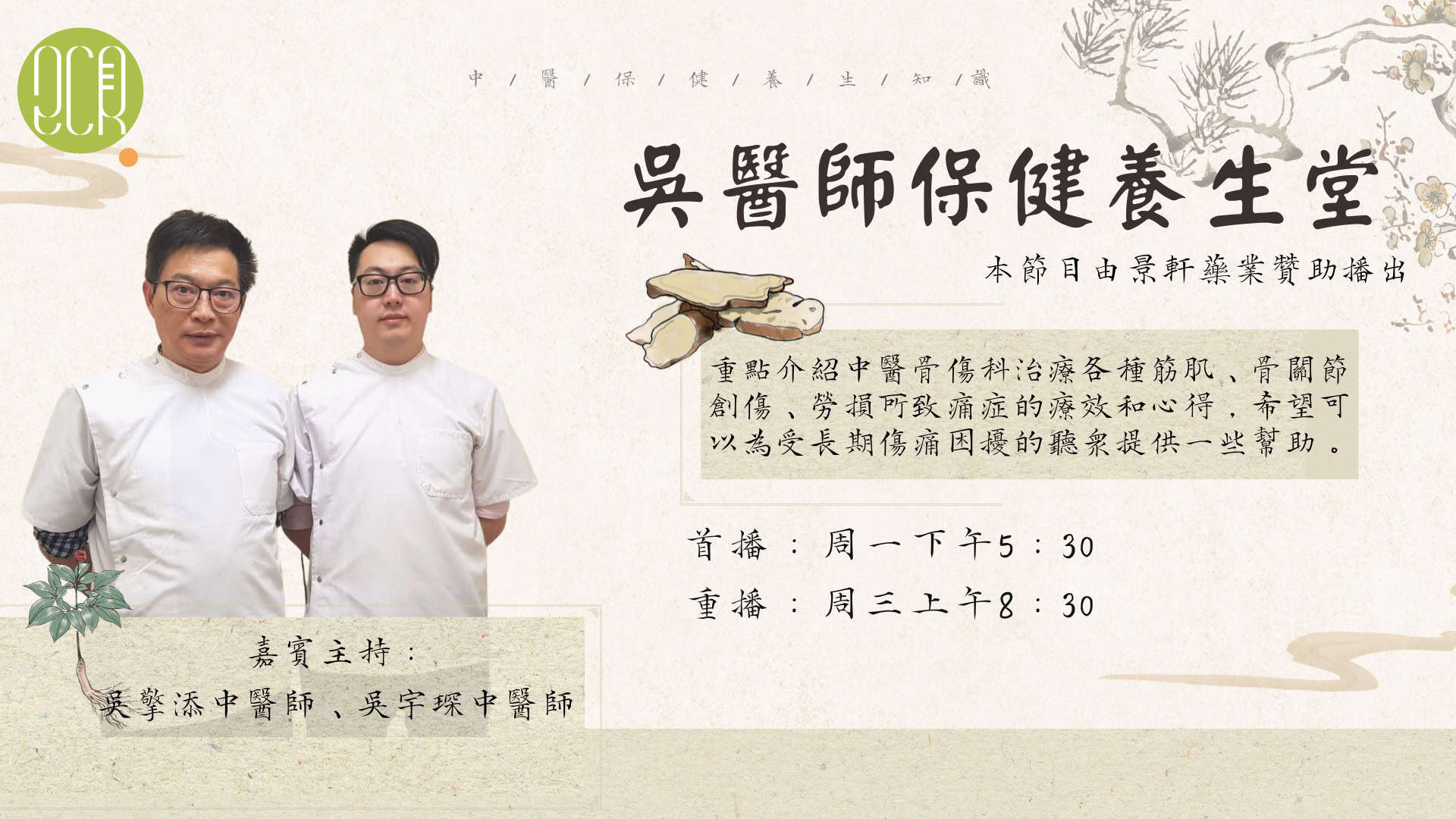
Sum Wu
Registered Chinese Medicine Practitioner
Bachelor of Health Science in Traditional Chinese Medicine (UTS)
Bachelor of Science Majoring in Psychology (UOW)
Director of Hurstville Chinese Herbs Centre
Vice Dean of College of Traditional Chinese Medicine Orthopedics Australia
Specialising in pain management and mental wellbeing through Tradition Chinese medicine in combination with modern science in mental health, dieting and nutrition.
吳宇琛,澳大利亞政府注冊中醫師、針灸師,五龍崗大學心理學學士、悉尼科技大學中醫系學士,澳大利亞松軒中醫藥中心主任醫師,澳大利亞中醫骨傷專科學院副院長。
擅長用傳統針灸理傷手法和中藥治療各種新舊損傷痛症,特別採用中醫中藥和現代心理學、營養學相結合調理治療各種慢性病和亞健康。


Traditional Chinese Medicine (TCM) employs a wide range of herbal preparations, known as dosage forms, each carefully designed to influence how herbs act within the body. These forms are not merely about convenience, they reflect deeper therapeutic strategies aligned with pattern differentiation, disease stage, and individual constitution. Understanding the advantages and disadvantages of each preparation helps clarify why a practitioner may choose one form over another.
中醫(TCM)採用多種中藥劑型以發揮藥物在體內的不同作用,每種形式皆經過精心設計。這些劑型不僅僅是為了便利,更體現了基於辨證論治、疾病階段以及個體體質的深層治療策略。理解不同劑型的優缺點,有助於說明為何臨床醫師會選擇某一種形式。
Decoction remains the cornerstone of traditional TCM practice. It involves boiling raw herbs in water to extract their active constituents, producing a medicinal liquid taken daily. Decoctions are highly valued for their flexibility and potency. Practitioners can modify formulas frequently, adjusting dosages or adding and removing herbs as a patient’s condition evolves. This makes decoctions particularly effective for acute illnesses, complex syndromes, or rapidly changing conditions. However, they come with notable drawbacks. Preparation is time-consuming, often requiring 30–60 minutes of boiling, and the taste can be strong or unpleasant, which may affect patient compliance. Additionally, consistency can vary depending on preparation technique.
湯劑仍是傳統中醫臨床的核心形式。其製作方法是將中藥飲片加水煎煮,提取有效成分,製成每日服用的藥液。湯劑以其靈活度高、藥效顯著而受到高度重視。醫師可根據病情變化隨時調整方藥組成與劑量,進行加減化裁,因此特別適用於急性疾病、複雜證候或變化較快的病情。然而其缺點也較明顯:煎煮過程較為耗時,通常需30–60分鐘,且味道較苦重,可能影響患者的依從性。此外,不同的煎煮方法也可能導致藥效存在一定差異。
Powders represent one of the oldest forms of herbal medicine. Herbs are dried and finely ground, then taken directly or mixed with warm water. Their main advantage lies in rapid absorption, as the increased surface area allows quicker interaction with the digestive system. Powders are also relatively convenient compared to decoctions and can be used both internally and externally. However, they are generally less potent than decoctions for severe conditions and may irritate the throat or stomach if not prepared or dosed properly. Stability and preservation can also be an issue in humid environments.
散劑是最古老的中藥劑型之一。其製法是將藥材乾燥後研磨成細粉,直接服用或用溫水沖服。其主要優點在於吸收較快,因粉末狀增加了與消化系統的接觸面積。同時,相較湯劑更為方便,且既可內服也可外用。然而,對於較為嚴重的疾病,散劑的療效通常不及湯劑;若製備或用量不當,還可能刺激咽喉或胃部。在潮濕環境中,其穩定性與保存性也較差。
Pills often made by combining powdered herbs with honey or water into small balls, are designed for slow, sustained release. This makes them ideal for chronic diseases, deficiency patterns, and long-term regulation, such as digestive weakness or fatigue. Their convenience and mild taste improve patient adherence. However, the trade-off is a slower onset of action, making them less suitable for acute or urgent conditions. Additionally, fixed formulations limit flexibility, and the concentration of active ingredients may be lower compared to freshly prepared decoctions.
丸劑通常是將藥粉與蜂蜜或水混合,製成小丸,以實現緩慢而持久的藥效釋放。這使其非常適用於慢性疾病、虛證調理以及長期調養,如脾胃虛弱或慢性疲勞等。丸劑服用方便、味道較溫和,有助於提高患者依從性。但其起效較慢,不適用於急性或緊急情况。同時,由於配方固定,靈活性較低,其有效成分的濃度通常也低於新鮮煎制的湯劑。
In modern practice, granules have become increasingly popular. These are concentrated extracts of herbs that are dried into powder-like granules and dissolved in hot water. Granules offer a balance between tradition and convenience: they are quick to prepare, portable, and standardized in dosage, making them widely used in busy clinical settings, especially in places like Australia. Their main advantage is compliance. Patients are far more likely to take them consistently. However, granules may be less individualized, as they often rely on pre-manufactured extracts, and some practitioners argue that they are slightly less potent or lack the “depth” of traditional decoctions.
在現代臨床中,顆粒劑越來越普及。這類劑型是將中藥提取濃縮後製成顆粒狀,使用時用熱水沖服。顆粒劑在傳統與便利之間取得了平衡:沖泡快捷、攜帶方便、劑量標準化,因此在如澳大利亞等節奏較快的臨床環境中廣泛應用。其最大優勢在於提高患者依從性,患者更容易堅持服用。然而,其缺點在於個體化程度較低,通常依賴預先生產的提取物,部分醫師認為其藥效略遜於傳統湯劑,缺乏一定的“層次感”。
Alcohol-based preparations, including tinctures and medicinal wines, involve soaking herbs in alcohol to extract their active compounds. Alcohol enhances the circulatory and warming properties of herbs, making these preparations particularly effective for blood stasis, cold conditions, and musculoskeletal pain. They also have a long shelf life. On the downside, they are not suitable for all patients, especially those with heat patterns, liver conditions, or sensitivity to alcohol. Dosage must be carefully controlled, and cultural or personal preferences may limit their use.
酒劑包括藥酒和酊劑,是通過將藥材浸泡於酒精中選取有效成分而製成。酒精能够增强藥物的活血通絡與溫通作用,因此特別適用於血瘀、寒證以及筋骨疼痛等情况,同時具有較長的保存期限。但其不足之處在於並不適用於所有人群,尤其是有熱證、肝臟疾病或對酒精敏感者。使用時需嚴格控制劑量,且文化或個人習慣也可能限制其應用。
Topical preparations, such as plasters, ointments, and liniments, are widely used for localized conditions. These include muscle pain, joint inflammation, and traumatic injuries. Their key advantage is that they act directly on the affected area, minimizing systemic side effects. For example, herbal liniments like “Die Da Jiu” are commonly used in martial arts medicine to promote circulation and reduce swelling. However, their effects are generally limited to the surface or local tissues, and they may not address deeper systemic imbalances. Skin irritation or allergic reactions can also occur in some individuals.
外用製劑如膏藥、軟膏和搽劑,廣泛用於局部病症,包括肌肉疼痛、關節炎症及跌打損傷等。其主要優勢在於可直接作用於患處,從而减少全身性副作用。例如,“跌打酒”常用於活血化瘀、消腫止痛。然而,其作用多局限於體表或局部組織,難以調節深層或全身性失衡,且部分人群可能出現皮膚刺激或過敏反應。
Herbal pastes and syrups are highly concentrated extracts often mixed with honey into a thick, palatable form. These are traditionally used as tonic formulas, especially during recovery or for chronic deficiency conditions such as Qi, Blood, Yin, or Yang deficiency. Their advantages include high concentration, ease of consumption, and nourishing properties, making them suitable for long-term use. However, they are typically expensive and time-intensive to produce, and their richness may be too heavy for patients with weak digestion or dampness accumulation.
膏方是將中藥高度濃縮後與蜂蜜等製成稠厚、口感較佳的製劑,常用於滋補調養,尤其適用於恢復期或慢性虛證,如氣、血、陰或陽虛。其優點在於濃度高、易於服用且具有良好的滋補作用,適合長期調理。然而,其製作過程耗時且成本較高,且滋膩之性較重,對於脾胃虛弱或濕氣較重者可能不太適合。
Medicinal teas are a gentler form of herbal preparation, involving mild herbs brewed like everyday tea. They are commonly used for preventive care, lifestyle support, and mild imbalances. Their main strengths are simplicity, safety, and suitability for daily use, often incorporating food-grade herbs such as goji berries or chrysanthemum. However, their therapeutic strength is relatively weak, making them unsuitable for treating serious or complex conditions.
茶劑是一種較為溫和的中藥形式,通常將性質平和的藥材如日常飲茶般沖泡飲用。其多用於預防保健、日常調養及輕度失衡狀態。其優點在於簡單、安全,適合長期日常使用,常選用如枸杞、菊花等食療性質的藥材。然而,其藥力相對較弱,不適用於治療嚴重或複雜的疾病。
Finally, fumigation and wash therapies involve boiling herbs and applying them externally as steam, soaks, or washes. These methods combine the effects of heat and herbal action, making them effective for skin conditions, joint pain, and gynaecological disorders. They allow for direct local treatment while also promoting circulation through warmth. Their limitation lies in their localized scope, and they often need to be combined with internal treatments for comprehensive results.
最後,熏洗劑是通過煎煮藥物後以蒸汽、浸泡或外洗的方式進行外治。這種方法結合了熱力與藥效,適用於皮膚疾病、關節疼痛及婦科問題等。其優勢在於可直接作用於局部,同時借助溫熱促進氣血運行。但其局限在於作用範圍較為局部,通常需要配合內服治療,才能達到更全面的療效。
In TCM, the choice of herbal preparation is a deliberate and strategic decision. It reflects not only the nature of the disease but also the patient’s constitution, lifestyle, and treatment goals. A skilled practitioner selects the appropriate form to maximize therapeutic effect while balancing convenience and compliance. This integration of form and function is one of the defining features of TCM’s holistic approach to healing.
總體而言,中藥劑型的選擇是一項有意識且具有策略性的臨床決策。它不僅取決於疾病的性質,還與患者的體質、生活方式以及治療目標密切相關。經驗豐富的醫師會在療效、便利性與依從性之間取得平衡,從而選擇最合適的劑型。這種形與效相結合的理念,正是中醫整體觀的重要體現。
如有疑問想咨詢吳宇琛中醫師,可以在微信或whatsapp搜索61 404836368,加吳宇琛中醫師微信或whatsapp,也可以發短信或致電0404836368作語音留言,吳宇琛中醫師有空就會回復。


(吳宇琛中醫師,澳大利亞政府注冊中醫師、針灸師,五龍崗大學心理學學士、悉尼科技大學中醫系學士,悉尼好思維松軒藥行主任中醫師,澳大利亞中醫骨傷專科學院副院長,本文僅供參考,具體診療應諮詢專業人士。)



 FACEBOOK
 WECHAT

 INSTAGRAM