
 2026年06月16日 15:34 發布
編輯:Editor
2026年06月16日 15:34 發布
編輯:Editor
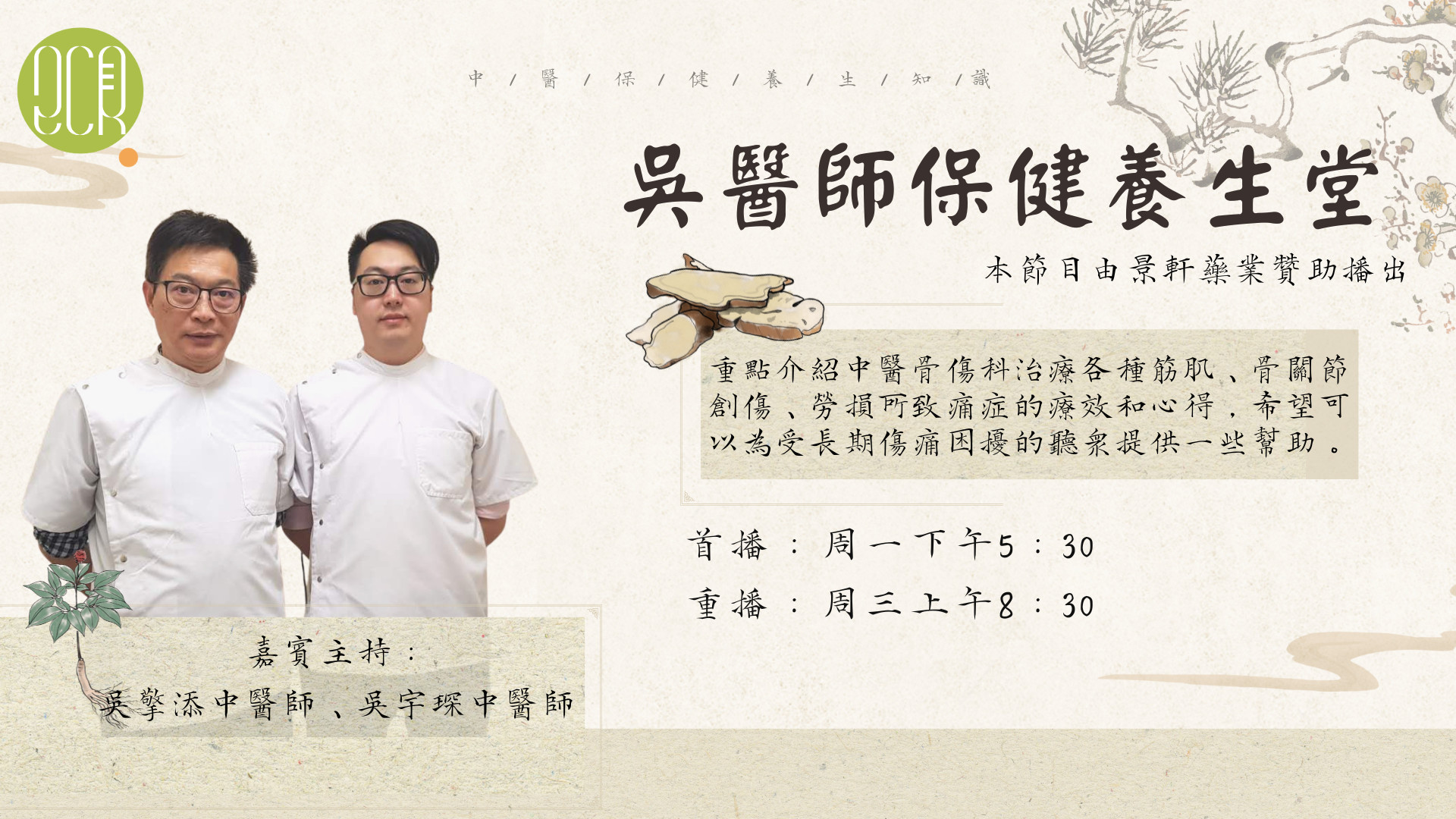
Sum Wu
Registered Chinese Medicine Practitioner
Bachelor of Health Science in Traditional Chinese Medicine (UTS)
Bachelor of Science Majoring in Psychology (UOW)
Director of Hurstville Chinese Herbs Centre
Vice Dean of College of Traditional Chinese Medicine Orthopedics Australia
Specialising in pain management and mental wellbeing through Tradition Chinese medicine in combination with modern science in mental health, dieting and nutrition.
吳宇琛,澳大利亞政府注冊中醫師、針灸師,五龍崗大學心理學學士、悉尼科技大學中醫系學士,澳大利亞松軒中醫藥中心主任醫師,澳大利亞中醫骨傷專科學院副院長。
擅長用傳統針灸理傷手法和中藥治療各種新舊損傷痛症,特別採用中醫中藥和現代心理學、營養學相結合調理治療各種慢性病和亞健康。


Australian Herbal Medicine and TCM
澳洲草藥與中醫
The use of native Australian herbs within the framework of Traditional Chinese Medicine (TCM) is an emerging area of interest, particularly among practitioners in Australia who face limited access to some traditional Chinese herbs due to import restrictions, biosecurity laws, sustainability concerns, and regulatory controls. Rather than replacing classical Chinese herbs entirely, many practitioners explore whether certain Australian botanicals possess properties that can be understood through a TCM lens, for example, whether an herb is warming or cooling, drying or moistening, or whether it influences particular organ systems such as the Lung, Spleen, or Liver etc.
在澳洲傳統中醫(TCM)的框架下運用澳洲原生草藥,正逐漸成為一個新興且備受關注的領域。尤其對於澳洲的中醫師而言,由於進口限制、生物安全法規、永續性考量及相關監管制度,部分傳統中藥材的取得受到限制,因此不少中醫開始探索,某些澳洲原生植物是否具備能以中醫理論理解的特性,例如其性質偏寒或偏熱、偏燥或偏潤,又或是否能作用於肺、脾、肝等特定臟腑系統。
Australia has a rich history of Indigenous medicinal plant knowledge developed over tens of thousands of years by Aboriginal and Torres Strait Islander peoples. Many native plants were traditionally used for wounds, infections, respiratory illnesses, digestive complaints, and inflammation. While Indigenous Australian medicine and TCM arise from very different cultural and philosophical systems, there are occasional functional parallels that allow modern integrative practitioners to cautiously compare them.
澳洲擁有極為悠久且豐富的原住民植物醫療知識體系,這些知識由澳洲原住民與托雷斯海峽島民歷經數萬年發展而成。許多原生植物傳統上被用於處理傷口、感染、呼吸系統疾病、消化問題以及各種炎症。雖然澳洲原住民醫學與中醫源自完全不同的文化與哲學背景,但兩者之間偶爾仍可見某些功能上的相似性,使現代整合醫學得以在謹慎的前提下進行比較與研究。
For example, Lemon Myrtle contains aromatic oils with antimicrobial and digestive-supportive qualities. From a TCM perspective, some practitioners may view it as mildly aromatic, transforming Dampness and supporting the Spleen and Stomach, somewhat similar in function to herbs that regulate Qi and improve digestion. Its warming aromatic nature also makes it useful in teas for mild cold-type digestive stagnation.
例如,檸檬香桃木(Lemon Myrtle)富含芳香精油,具抗菌及支持消化系統的功效。從中醫觀點看,部分醫師可能視其為具輕度芳香化濕作用的植物,能協助脾胃運化,其功能與某些理氣健脾、改善消化的中藥有一定相似性。此外,其溫暖芳香的特性也使其適合作為茶飲,用於輕度寒性食滯或脾胃氣滯的情況。
Eucalyptus has long been used traditionally for respiratory conditions. In biomedical terms it contains volatile oils that may help open airways and reduce congestion. Through a TCM framework, it could be interpreted as dispersing Wind-Cold, opening the Lung, and transforming Phlegm. Inhalation of eucalyptus vapour resembles certain traditional Chinese herbal steaming methods used for sinus congestion or exterior syndromes.
尤加利(Eucalyptus)長期以來被傳統上用於呼吸系統疾病。從現代生物醫學角度而言,其揮發性精油可能有助於擴張呼吸道與减少鼻塞。若以中醫理論理解,則可被視為具有疏散風寒、宣肺及化痰的作用。吸入尤加利蒸氣的方式,也與部分中醫利用藥蒸或薰蒸法治療鼻塞或表證的方法有相似之處。
Another commonly discussed herb is Kakadu Plum, which is extremely rich in vitamin C and antioxidants. Although TCM does not traditionally classify foods through vitamins, practitioners may interpret its sour and cooling characteristics as helping generate fluids, clear Heat, and support recovery after illness. Its astringent quality may also loosely parallel herbs that preserve body fluids.
另一種常被討論的植物是卡卡杜李(Kakadu Plum)。其富含極高含量的維他命C與抗氧化成分。雖然中醫並不以維他命作為分類依據,但中醫可能會將其酸味與偏凉特性理解為有助於生津、清熱以及促進病後恢復。其收斂性質亦與某些能固攝津液的中藥作用略有相似。
Tea Tree is widely known for its antimicrobial properties. In topical applications, it may resemble the TCM concept of clearing Heat toxins and resolving damp inflammatory skin conditions. However, concentrated tea tree oil can be irritating or toxic if misused internally, highlighting an important issue in integrating herbal systems recklessly. It is important to remember that “natural” does not always mean safe.
茶樹(Tea Tree)則因其强大的抗菌特性而廣為人知。在外用方面,其作用可類比中醫所說的清熱解毒與改善濕熱型皮膚炎症。然而,高濃度茶樹精油若內服使用不當,可能具有刺激性甚至毒性,這亦突顯了在綜合不同草藥系統時不可輕率行事的重要性。我們必須記住,天然並不等於絕對安全。
One particularly interesting area is the use of bitter Australian herbs. Certain native plants possess strong bitter qualities that may correspond to the TCM action of clearing Damp-Heat or Fire. However, accurate translation between systems is difficult because TCM herbal medicine is based not only on chemical effects, but also on flavour, temperature, channel entry, dosage, preparation methods, and formula compatibility.
另一個特別值得關注的領域,是澳大利亞苦味草藥的應用。部分澳大利亞原生植物具有明顯苦味,而中醫中“苦能燥濕,瀉火”的理論,可能與這些植物的某些作用產生對應。然而,兩種醫療系統之間要做到準確轉譯其實十分困難,因為中藥學不僅建立於化學成分之上,還涉及藥物的氣味,寒熱内容,歸經,劑量,炮製方法,以及方劑之間的配伍關係。
This is where caution becomes important. Indigenous Australian medicine is its own sophisticated healing tradition and should not simply be absorbed into TCM without respect for its cultural origins and traditional custodians. Many native herbs have not been extensively studied for long-term safety, interactions, pregnancy safety, or compatibility with Chinese herbal formulas. In addition, TCM diagnosis relies heavily on pattern differentiation, meaning the same herb may help one person while worsening another person’s condition.
因此,謹慎便顯得格外重要。澳大利亞原住民醫學本身是一套成熟且複雜的療愈體系,不應在缺乏對其文化來源與傳統守護者尊重的情况下,被簡單納入中醫架構之中。此外,許多澳大利亞原生草藥尚未經過大規模長期安全性研究,包括其與其他藥物的交互作用,懷孕期間的安全性,以及與中藥方劑配伍時的相容性等。
再者,中醫診斷高度依賴辨證論治,也就是說,同一種草藥可能對某些患者有益,卻可能加重另一些人的病情。因此,草藥的使用不能僅根據單一功效來决定。
In clinical practice, some Australian TCM practitioners experiment with local herbs as adjuncts rather than direct substitutions. For example:
在臨床實踐中,部分澳大利亞中醫會將本地草藥作為輔助性資料,而非直接取代傳統中藥。 例如:
However, replacing classical formulas entirely is difficult because traditional Chinese herbal formulas are highly refined systems developed over centuries, with carefully balanced herb interactions.
然而,要完全取代傳統經方仍相當困難,因為中醫方劑是經過數百年發展而成的精密系統,其中藥物之間的平衡與協同作用極為講究。
There is also growing academic interest in pharmacological overlaps between Australian botanicals and Chinese herbs. Researchers are examining antimicrobial activity, anti-inflammatory compounds, antioxidant effects, and immune modulation. Some practitioners believe Australia may eventually develop a uniquely Australian style of TCM materia medica adapted to local ecology and regulation, much as Chinese medicine historically incorporated herbs from different regions over time.
目前,學術界對澳洲植物與中藥之間的藥理重疊亦日益感興趣。研究人員正積極探討其抗菌活性、抗炎成分、抗氧化作用以及免疫調節能力等。一些中醫甚至認為,澳洲未來或許可能逐步發展出一套具有本地特色,適應澳洲生態與法規環境的中醫本草系統,正如中國醫學歷史上亦曾不斷吸收不同地域藥材一樣。
Ultimately, the safest and most respectful approach is not to force native Australian herbs into TCM categories, but to find a common ground and careful research. Indigenous Australian medicine, Western herbal medicine, and TCM each offer different ways of understanding health. When used carefully, evidence-informed integration may expand therapeutic options while still respecting the integrity of each medical system.
最終,最安全且最具尊重性的做法,並不是强行將澳洲原生草藥套入中醫分類,而是在不同醫療體系之間尋找共同點,並建立在嚴謹研究基礎上的交流與綜合。澳洲原住民醫學,西方草藥學與中醫,皆提供了不同理解健康與疾病的方式。若能以審慎且循證的態度進行綜合,或許能在尊重各自醫學體系完整性的同時,進一步拓展臨床治療的可能性。
如有疑問想咨詢吳宇琛中醫師,可以在微信或whatsapp搜索61 404836368,加吳宇琛中醫師微信或whatsapp,也可以發短信或致電0404836368作語音留言,吳宇琛中醫師有空就會回復。


(吳宇琛中醫師,澳大利亞政府注冊中醫師、針灸師,五龍崗大學心理學學士、悉尼科技大學中醫系學士,悉尼好思維松軒藥行主任中醫師,澳大利亞中醫骨傷專科學院副院長,本文僅供參考,具體診療應諮詢專業人士。)


 FACEBOOK
 WECHAT

 INSTAGRAM
