

 2026年11月03日 14:43 發布
編輯:Editor
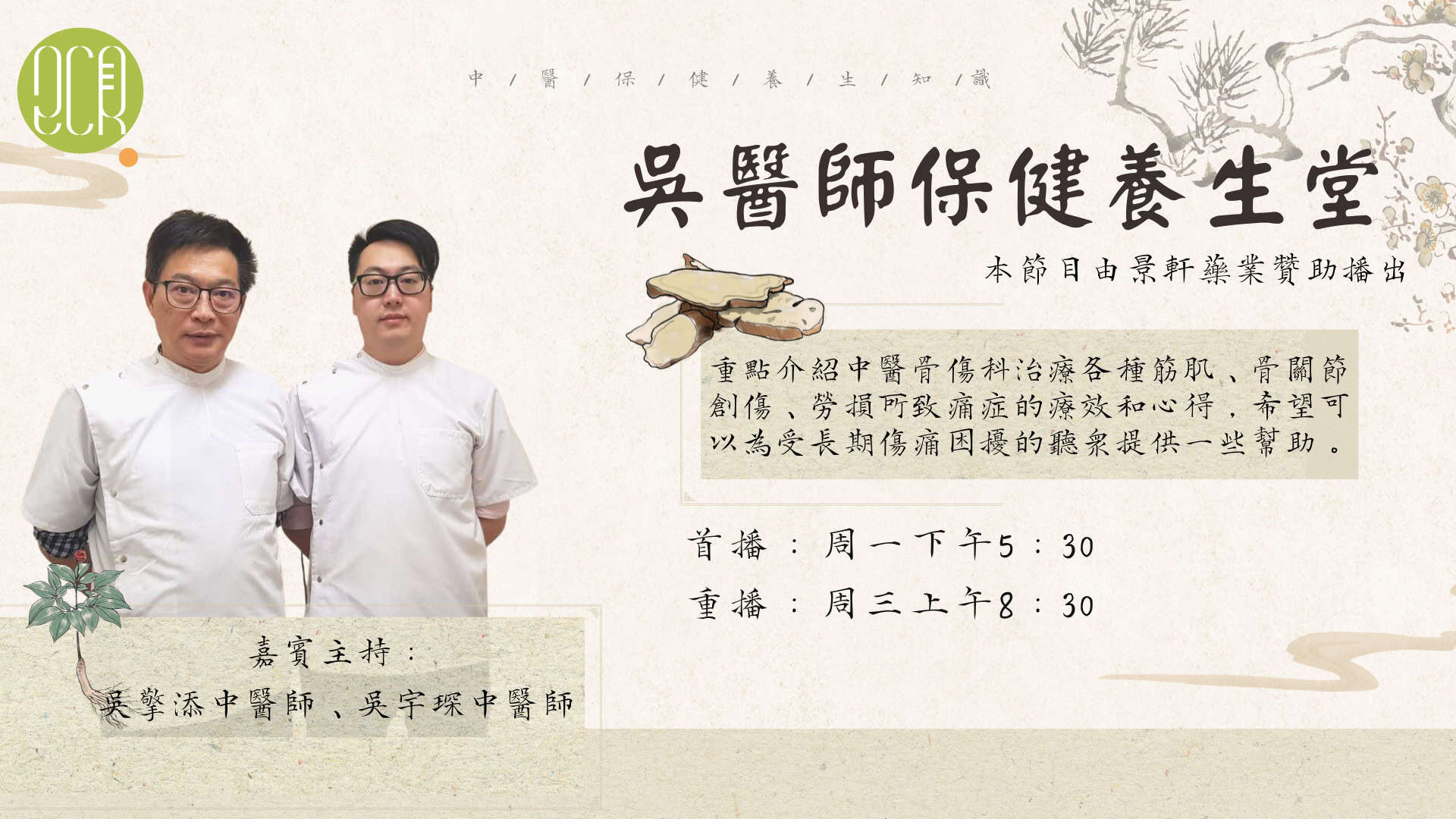
Sum Wu
Registered Chinese Medicine Practitioner
Bachelor of Health Science in Traditional Chinese Medicine (UTS)
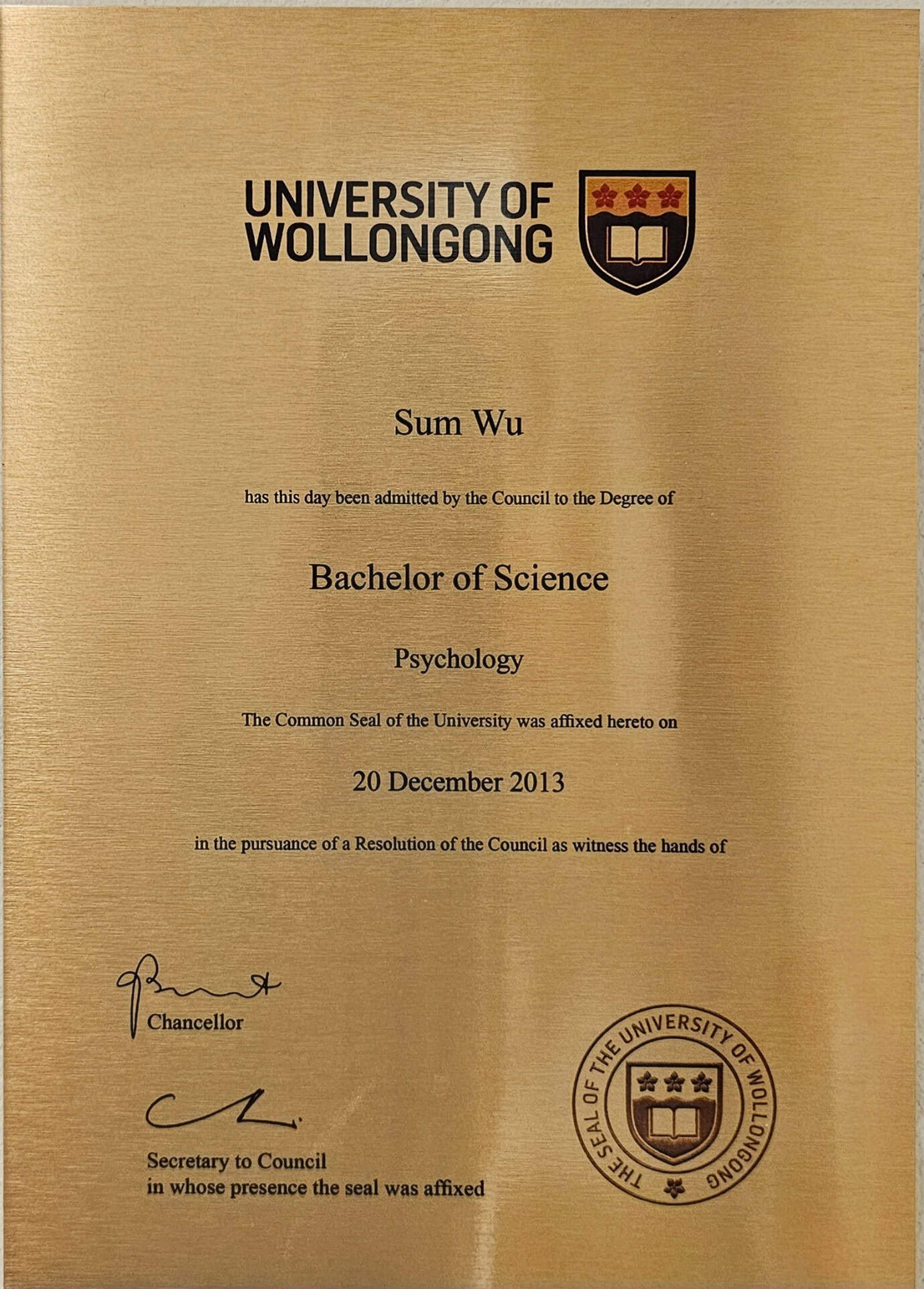
Bachelor of Science Majoring in Psychology (UOW)
Director of Hurstville Chinese Herbs Centre
Vice Dean of College of Traditional Chinese Medicine Orthopedics Australia
Specialising in pain management and mental wellbeing through Tradition Chinese medicine in combination with modern science in mental health, dieting and nutrition.
吳宇琛,澳大利亞政府注冊中醫師、針灸師,五龍崗大學心理學學士、悉尼科技大學中醫系學士,澳大利亞松軒中醫藥中心主任醫師,澳大利亞中醫骨傷專科學院副院長。
擅長用傳統針灸理傷手法和中藥治療各種新舊損傷痛症,特別採用中醫中藥和現代心理學、營養學相結合調理治療各種慢性病和亞健康。

Diverticulitis is a gastrointestinal condition that occurs when small pouches, known as diverticula, which develop in the wall of the large intestine, become inflamed. These pouches are particularly common in older adults and are usually found in the sigmoid colon. The presence of diverticula without inflammation is called diverticulosis, whereas diverticulitis develops when one or more pouches become inflamed.
憩室炎是一種胃腸道疾病,當大腸壁上形成的小囊袋發生炎症時,便會形成憩室炎。 這些憩室在老年人中較為常見,通常出現在乙狀結腸。當腸壁存在憩室但沒有發炎時,稱為憩室症,而當一個或多個憩室出現炎症時,則稱為憩室炎。
Common symptoms include lower abdominal pain, particularly on the left side, bloating, fever, nausea, and changes in bowel habits such as constipation or diarrhoea. Although many cases are uncomplicated, severe diverticulitis can lead to abscesses, intestinal perforation, or other serious complications requiring hospital treatment.
常見症狀包括下腹疼痛,尤其是左下腹疼痛、腹脹、發燒、噁心,以及排便習慣改變,例如便秘或腹瀉。雖然許多病例屬於非複雜性憩室炎,但嚴重時可能引起膿腫、腸穿孔或其他嚴重併發症,需要住院治療。
Traditional Chinese Medicine (TCM) does not have a disease category that corresponds exactly to diverticulitis. However, its symptoms may be interpreted through traditional concepts such as abdominal pain, intestinal accumulation, and intestinal abscess.
傳統中醫學並沒有與現代醫學憩室炎完全對應的獨立病名。然而,其臨床症狀可歸屬於中醫的“腹痛”、“腸積”及“腸癰”等病證範疇。
From a TCM perspective, digestive health depends on the coordinated functions of the Spleen, Stomach, Liver, and Large Intestine. Dysfunction may be associated with several traditional patterns.
從中醫角度來看,消化系統的健康有賴於脾、胃、肝及大腸等臟腑功能的相互協調。 當這些臟腑功能失調時,可能出現不同的中醫證型。
Damp-Heat Accumulation: This pattern may present with abdominal pain, fever, loose stools, and a sensation of heaviness. TCM theory associates Damp-Heat with impaired intestinal function and inflammatory-type symptoms.
濕熱內蘊:此證型可能表現為腹痛、發熱、大便稀溏及身體困重等症狀。中醫理論認為,濕熱蘊結腸道可影響腸道的正常傳導功能,並出現類似炎症的臨床表現。
Qi Stagnation and Blood Stasis: Traditionally associated with persistent or localised abdominal pain, this pattern describes impaired circulation of Qi and Blood.
氣滯血瘀:此證型通常與持續性或局部固定的腹痛有關。中醫認為,氣機運行不暢可進一步影響血液運行,形成氣滯血瘀,導致局部疼痛及不適。
Spleen Qi Deficiency: This pattern may be considered in individuals experiencing chronic bloating, fatigue, poor appetite, and irregular bowel movements.
脾氣虛弱:此證型常見於長期出現腹脹、疲倦、食欲不振及排便不規律的人士。中醫認為,脾氣不足可影響食物的運化及水濕代謝,進而導致消化功能失調。
These patterns are traditional diagnostic interpretations rather than scientifically established causes of diverticulitis.
需要注意的是,以上證型屬於傳統中醫的辨證診斷概念,並非現代科學已證實的憩室炎病因。
TCM treatment is traditionally based on “Bian Zheng Lun Zhi”, meaning treatment according to pattern differentiation. The same Western diagnosis may therefore be associated with different TCM treatment strategies.
中醫治療主要根據“辨證論治”的原則,即按照患者的具體症狀、體質及證型製定個體化的治療方案。因此,即使患者具有相同的西醫診斷,中醫所採用的治療方法也可能有所不同。
Importantly, suspected acute diverticulitis requires conventional medical assessment before complementary treatment, especially when fever, significant tenderness, or worsening pain is present. The examples below describe traditional prescribing approaches rather than clinically validated diverticulitis protocols.
需要特別強調的是,懷疑患有急性憩室炎的患者,應先接受現代醫學的檢查及評估,尤其當出現發燒、明顯腹部壓痛或腹痛持續加劇時,更應及時就醫。以下介紹的是傳統中醫的辨證用藥思路,而非已獲臨床研究證實有效的憩室炎治療方案。
For patients with a Damp-Heat pattern, the traditional treatment principle is clearing Heat and eliminating Dampness.
Herbs traditionally associated with this principle include:
Huang Qin: Traditionally used to clear Heat and dry Dampness.
Huang Lian: Used in TCM for intestinal Damp-Heat presentations, particularly those involving diarrhoea.
Bai Tou Weng: Traditionally used for Heat-associated intestinal disorders.
Yi Yi Ren: Used to support fluid metabolism and resolve Dampness.
Traditional formulas such as Ge Gen Qin Lian Tang and Bai Tou Weng Tang can be used in the cases of intestinal Damp-Heat patterns.
However, these formulas were developed for other traditional gastrointestinal presentations, particularly diarrhoeal disorders. They have not been established as effective treatments for diverticulitis and should not be substituted for medical management.
1.濕熱內蘊:清熱利濕
對於辨證屬於濕熱內蘊的患者,中醫傳統治療原則為“清熱利濕”,即清除體內濕熱,改善腸道功能失調的相關症狀。
傳統上常用於此類治法的中藥包括:
黃芩:傳統上具有清熱燥濕的功效。
黃連:中醫常用於腸道濕熱證,尤其是伴隨腹瀉的情况。
白頭翁:傳統上用於與熱邪有關的腸道疾病。
薏苡仁:具有健脾滲濕、利水除濕的傳統功效。
在腸道濕熱證的治療中,中醫可能會考慮葛根芩連湯及白頭翁湯等傳統方劑。
然而,這些方劑原本主要用於其他傳統胃腸道病證,尤其是與腹瀉有關的疾病。目前尚未有充分的臨床證據證實其對憩室炎具有確切療效,因此不能取代現代醫學的標準治療。
Where abdominal discomfort is interpreted as Qi stagnation, the traditional approach is regulating Qi and invigorating Blood.
Examples of herbs used in this approach include:
Yan Hu Suo: Traditionally used for pain associated with Qi and Blood stagnation.
Xiang Fu: Used to regulate Qi and relieve distension.
Chen Pi: Traditionally used to regulate digestive Qi.
Dan Shen: Used in traditional Blood-stasis patterns.
Such herbs may be considered in other chronic abdominal discomfort presentations after serious pathology has been excluded.
Blood-invigorating herbs are not appropriate for unsupervised treatment of acute diverticulitis, particularly where bleeding, perforation, surgery, or anticoagulant medication is a concern. Dan Shen, for example, has clinically important potential drug interactions.
2.氣滯血瘀:理氣活血、緩解疼痛
當患者的腹部不適被辨證為氣滯血瘀時,中醫傳統治療原則為“理氣活血”,即疏通氣機、促進血液運行,以改善相關疼痛症狀。
常用於此類治法的中藥包括:
延胡索:傳統上用於氣滯血瘀所引起的疼痛。
香附:具有疏肝理氣、行氣解鬱及緩解脹痛的傳統功效。
陳皮:傳統上用於理氣健脾、改善腹脹及消化不適。
丹參:常用於中醫血瘀證,具有活血祛瘀的傳統功效。
在排除嚴重器質性疾病後,這些中藥可能被中醫師考慮用於其他慢性腹部不適的辨證治療。
然而,活血類中藥不適合在缺乏專業監督的情况下用於急性憩室炎,尤其是患者存在腸道出血、穿孔、需要接受手術,或正在服用抗凝血藥物時。 例如,丹參可能與某些西藥產生具有臨床重要性的相互作用。
Following recovery from an acute episode, some patients continue to experience bloating, fatigue, reduced appetite, or irregular bowel movements.
In TCM, these symptoms may be interpreted as Spleen Qi deficiency. The treatment principle is strengthening the Spleen and supporting Qi.
Commonly discussed herbs include:
Dang Shen: Traditionally used to tonify Qi.
Bai Zhu: Used to strengthen Spleen function and resolve Dampness.
Fu Ling: Traditionally used to support fluid metabolism and digestion.
Shan Yao: Used to support Spleen and Stomach function.
A classical formula such as Shen Ling Bai Zhu San may be considered by practitioners for certain chronic digestive symptom patterns.
This approach is directed towards traditional constitutional assessment and symptom management, rather than repairing diverticula or preventing diverticulitis through a demonstrated mechanism.
3.脾氣虛弱:健脾益氣、改善消化功能
部分患者在急性憩室炎康復後,仍可能持續出現腹脹、疲倦、食欲下降或排便不規律等症狀。
從中醫角度來看,這些表現可能與脾氣虛弱有關。其傳統治療原則為“健脾益氣”,即增强脾的運化功能,改善氣虛所引起的相關症狀。
常用於此類治法的中藥包括:
黨參:傳統上具有補中益氣的功效。
白術:具有健脾益氣、燥濕利水的傳統功效。
茯苓:傳統上用於健脾滲濕,支持水液代謝及消化功能。
山藥:具有補脾養胃的傳統功效。
對於某些慢性消化功能失調、辨證屬於脾虛夾濕的患者,中醫師可能會考慮使用參苓白術散等傳統方劑。
這類治療主要著重於中醫體質辨證及相關症狀的調理,而非直接修復腸道憩室,也沒有充分科學證據證實其能通過特定機制預防憩室炎。
Dietary management should distinguish between acute inflammation and long-term prevention. During an acute episode, a doctor may recommend temporary changes to food intake depending on the severity of symptoms. Some patients tolerate a low-fibre diet or liquids for a short period, but prolonged dietary restriction is generally undesirable. Once the acute episode has resolved, gradually increasing dietary fibre may help maintain regular bowel movements.
憩室炎的飲食管理應區分急性發炎期與長期預防階段。在急性發作期間,醫生可能會根據病情嚴重程度,建議患者暫時調整飲食。部分患者可能在短期內較適合低纖維飲食或流質飲食,但一般不建議長時間過度限制食物攝取。當急性炎症消退後,逐漸新增膳食纖維的攝取,有助於維持正常的排便功能。
From a TCM dietary perspective, easily digestible, cooked foods may be preferred when digestive function is impaired. Examples include rice congee, well-cooked vegetables, steamed pumpkin, soft tofu, and mild soups. Chinese yam (Shan Yao) is traditionally regarded as a food that supports Spleen and Stomach Qi. After recovery, foods such as oats, vegetables, legumes, and fruit can be introduced or increased according to individual tolerance and medical advice.
從中醫食療角度來看,當消化功能較弱時,通常建議選擇容易消化、經過適當烹煮的食物。例如白米粥、煮熟的蔬菜、蒸南瓜、嫩豆腐及清淡湯品等。山藥在傳統中醫食療中被認為具有健脾養胃、補益脾胃之氣的作用。康復後,患者可根據個人的腸胃耐受程度及醫生建議,逐步增加燕麥、蔬菜、豆類及水果等富含膳食纖維的食物。
Modern treatment of diverticulitis depends on its severity. Mild uncomplicated cases may be managed with observation, pain relief, and selective antibiotic use, while complicated cases may require hospitalisation, intravenous antibiotics, drainage, or surgery.
現代醫學對憩室炎的治療取決於病情的嚴重程度。輕度、非複雜性憩室炎可能通過觀察、止痛治療及選擇性使用抗生素進行管理;而出現併發症的患者,則可能需要住院、靜脈注射抗生素、膿腫引流,甚至接受外科手術。
TCM may offer complementary approaches to managing persistent digestive discomfort and supporting general wellbeing after recovery. However, fever, worsening abdominal pain, vomiting, or rectal bleeding require prompt medical assessment.
在急性炎症消退後,中醫可能通過適當的輔助治療,協助改善持續性的消化道不適及支持整體健康。然而,如果患者出現發燒、腹痛加劇、嘔吐或直腸出血等症狀,應立即尋求醫療評估。
An integrated approach combining evidence-based medical treatment, appropriate nutrition, and carefully selected complementary therapies may provide a broader framework for supporting long-term digestive health.
結合循證醫學治療、適當營養管理,以及經審慎選擇的中醫輔助療法,可以為患者提供更全面的長期腸道健康管理方向。
Ultimately, the priority is to control acute inflammation, prevent complications, and maintain healthy bowel function, while recognising both the potential supportive role and the limitations of TCM.
總而言之,憩室炎的治療首要目標是控制急性炎症、預防嚴重併發症,以及維持正常的腸道功能。同時,亦應客觀認識中醫在輔助治療方面的潜在作用及其現有的科學證據限制。
如有疑問想咨詢吳宇琛中醫師,可以在微信或whatsapp搜索61 404836368,加吳宇琛中醫師微信或whatsapp,也可以發短信或致電0404836368作語音留言,吳宇琛中醫師有空就會回復。


(吳宇琛中醫師,澳大利亞政府注冊中醫師、針灸師,五龍崗大學心理學學士、悉尼科技大學中醫系學士,悉尼好思維松軒藥行主任中醫師,澳大利亞中醫骨傷專科學院副院長,本文僅供參考,具體診療應諮詢專業人士。)



 FACEBOOK
 WECHAT

 INSTAGRAM